
Stomatology ›› 2026, Vol. 46 ›› Issue (8): 587-597.doi: 10.13591/j.cnki.kqyx.2026.08.005
• Basic and Clinical Research • Previous Articles Next Articles
ZHANG Wei1,2, WU Yunteng3, LI Fengsheng4, JIANG Qisheng1,4( )
)
Received:2025-04-07
Online:2026-08-28
Published:2026-08-24
CLC Number:
ZHANG Wei, WU Yunteng, LI Fengsheng, JIANG Qisheng. miR-21-3p modulates radiosensitivity in oral squamous cell carcinoma by targeting fructose-1,6-bisphosphatase 1 (FBP1): Mechanisms and functional implications[J]. Stomatology, 2026, 46(8): 587-597.
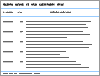
Tab.1
Quantitative real-time polymerase chain reaction primer sequence"
| 基因名称 | 引物序列(5'-3') |
|---|---|
| miR-21-3p | Forward:5'-GGGCAACACCAGTCGATG-3' Reverse:5'-CAGTGCGTGTCGTGGAGT-3' |
| U6 | Forward:5'-CTCGCTTCGGCAGCACA-3' Reverse:5'-AACGCTTCACGAATTTGCGT-3' |
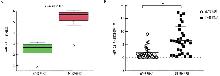
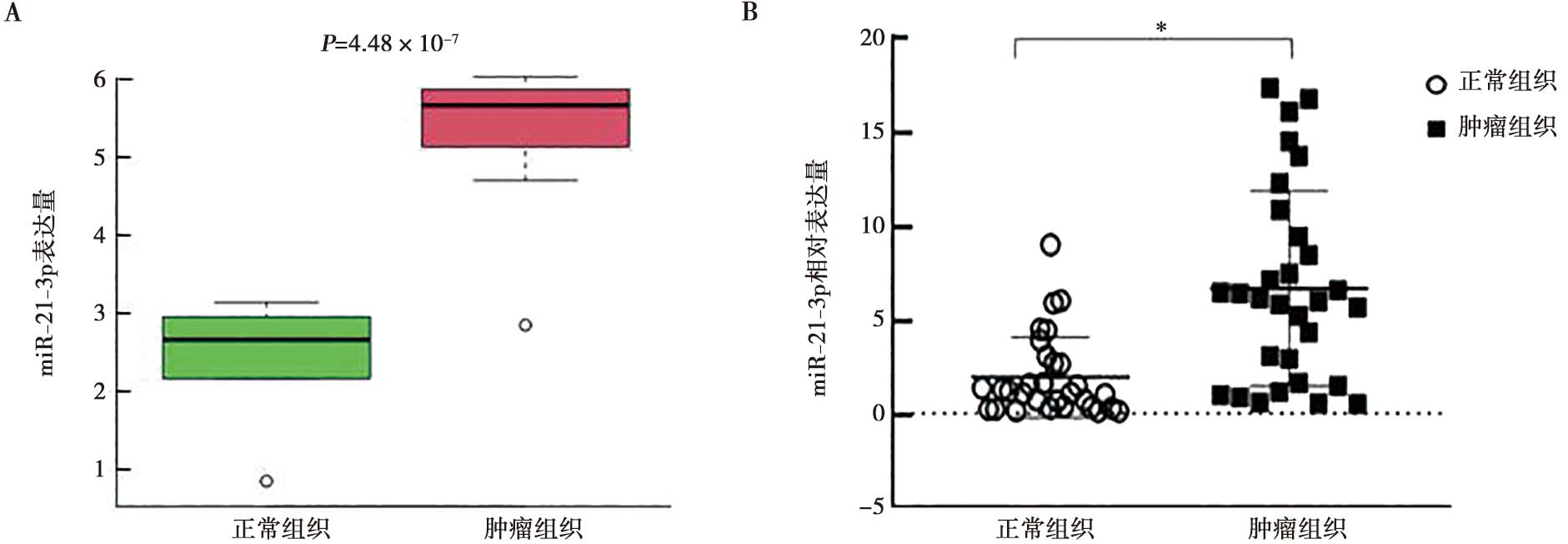
Fig. 1
Bioinformatics analysis of GSE241289 and detection of miR-21-3p expression in clinical samples"
Tab.2
Pathological characteristics and relative miR-21-3p expression in 30 clinical samples"
| 患者特征 | n | 低表达 (<5.95) | 高表达 (>5.95) | P (卡方检验) |
|---|---|---|---|---|
| 总数 | 30 | 14 | 16 | |
| 年龄/岁 | 0.550 | |||
| <60 | 14 | 6 | 8 | |
| ≥60 | 16 | 8 | 8 | |
| 性别 | 0.560 | |||
| 男 | 17 | 7 | 10 | |
| 女 | 13 | 7 | 6 | |
| 分期 | 0.025 | |||
| Ⅰ~Ⅱ | 13 | 8 | 5 | |
| Ⅲ~Ⅳ | 17 | 6 | 11 | |
| 肿瘤直径 | 0.013 | |||
| <4 cm | 14 | 9 | 5 | |
| ≥4 cm | 16 | 5 | 11 | |
| 淋巴结转移 | 0.353 | |||
| 有 | 15 | 6 | 9 | |
| 无 | 15 | 8 | 7 |
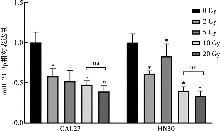
Fig. 2
Effect of X-ray irradiation dose on miR-21-3p expression in human oral squamous cell carcinoma cells"
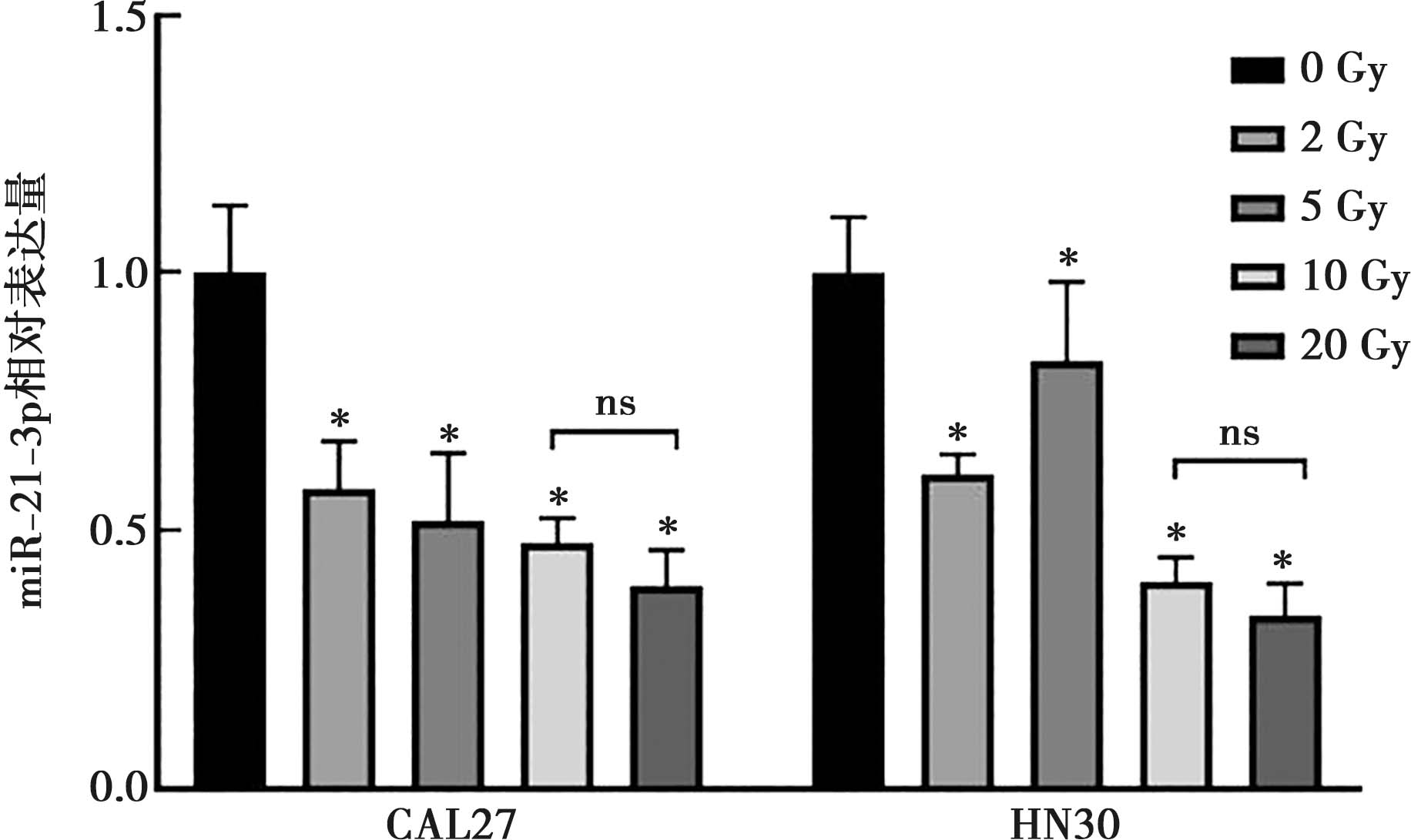
Fig. 3
Effect of different treatments on miR-21-3p expression levels in human oral squamous cell carcinoma cells"
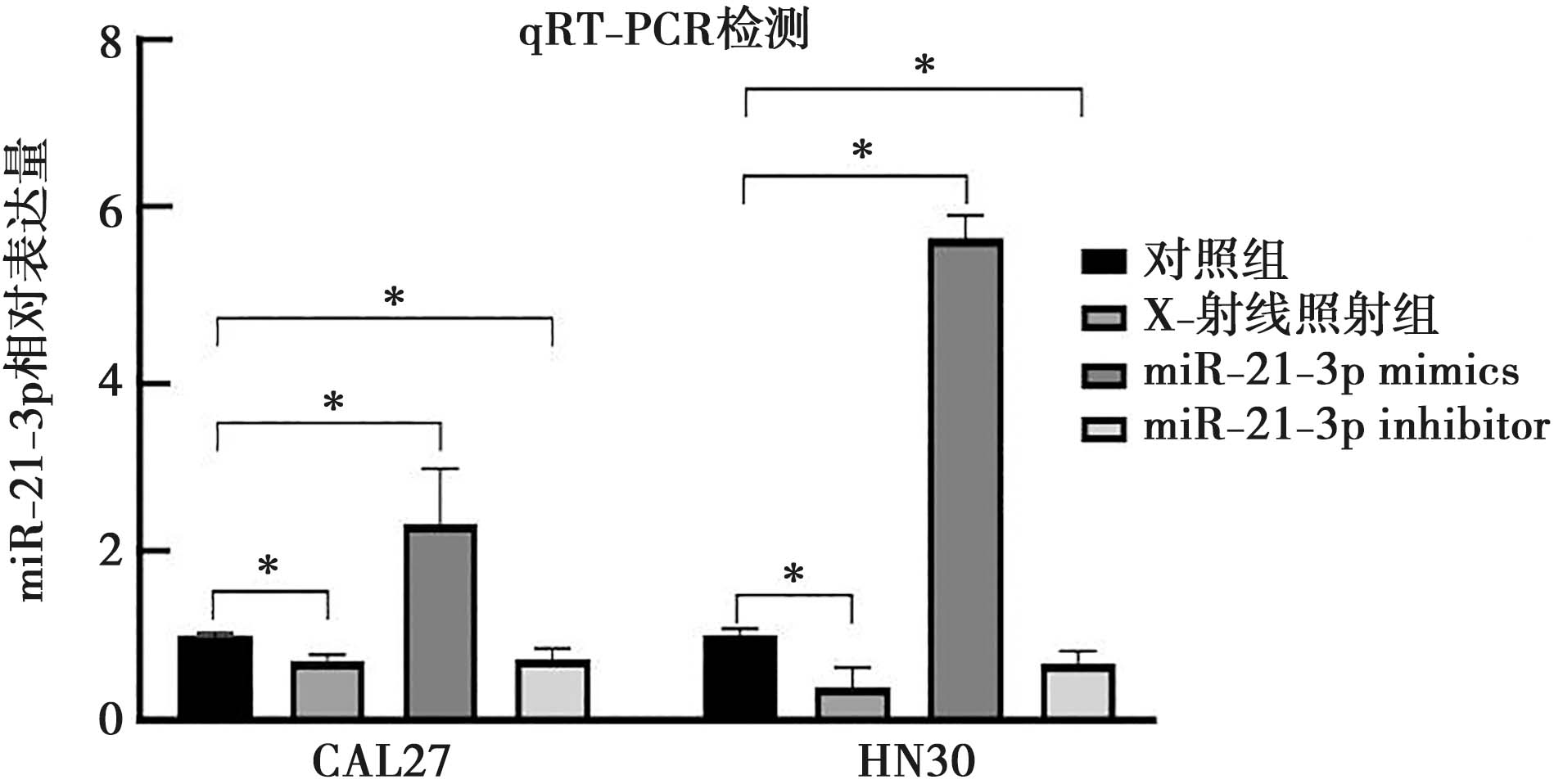
Fig. 4
Effect of miR-21-3p up-/downregulation on the proliferative capacity of CAL27/HN30 cells after X-ray irradiation as detected by CCK-8 assay"
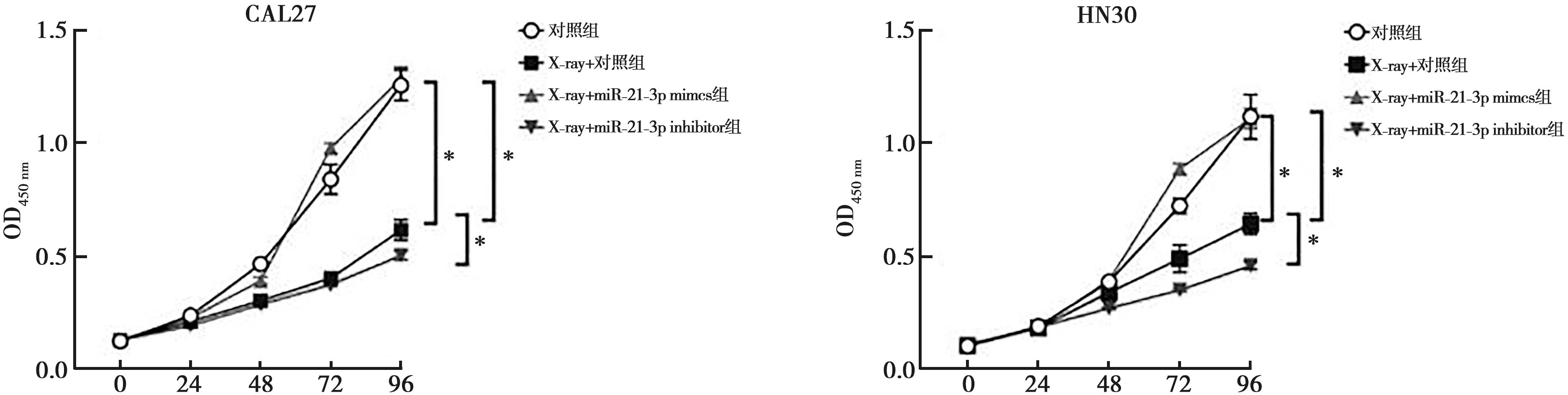
Fig. 5
Effect of miR-21-3p up-/downregulation on the proliferative capacity of CAL27/HN30 cells after X-ray irradiation as detected by colony formation assay"
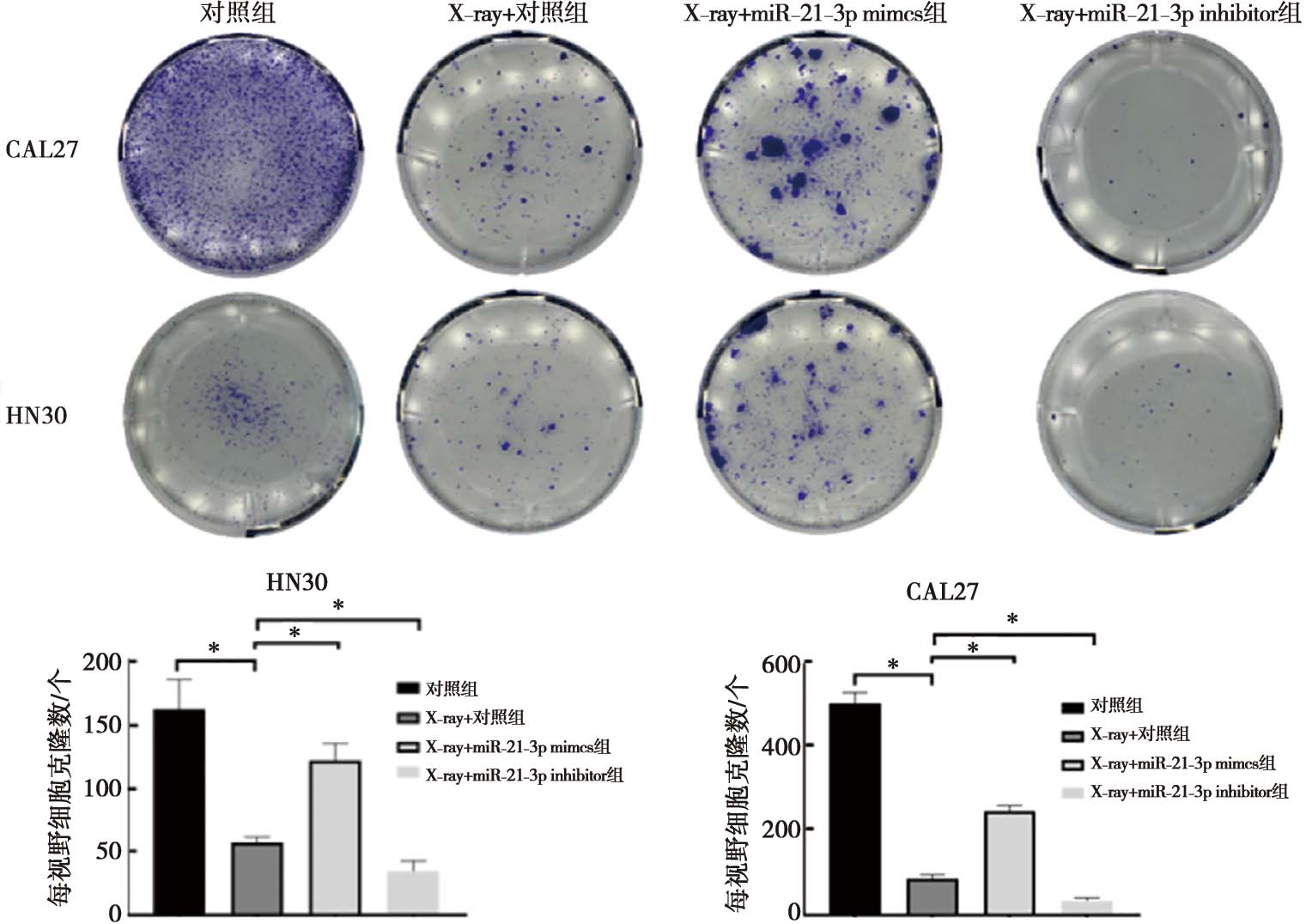
Fig.6
Effect of miR-21-3p up-/downregulation on the proliferative capacity of CAL27/HN30 cells after X-ray irradiation as detected by EdU assay"
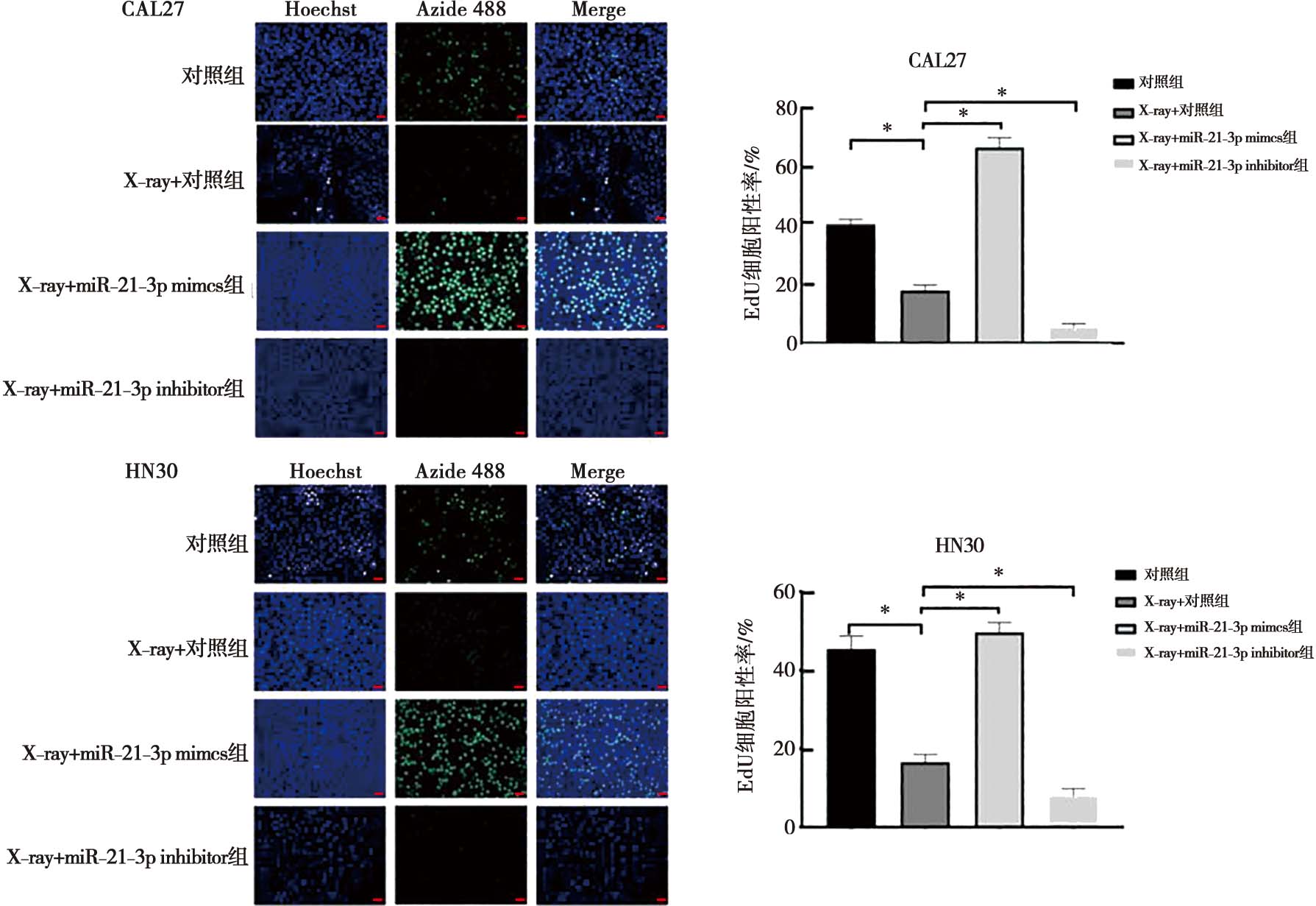
Fig.7
Transwell invasion assay evaluating the effect of miR-21-3p up-/downregulation on the invasive capacity of CAL27/HN30 cells after X-ray irradiation"
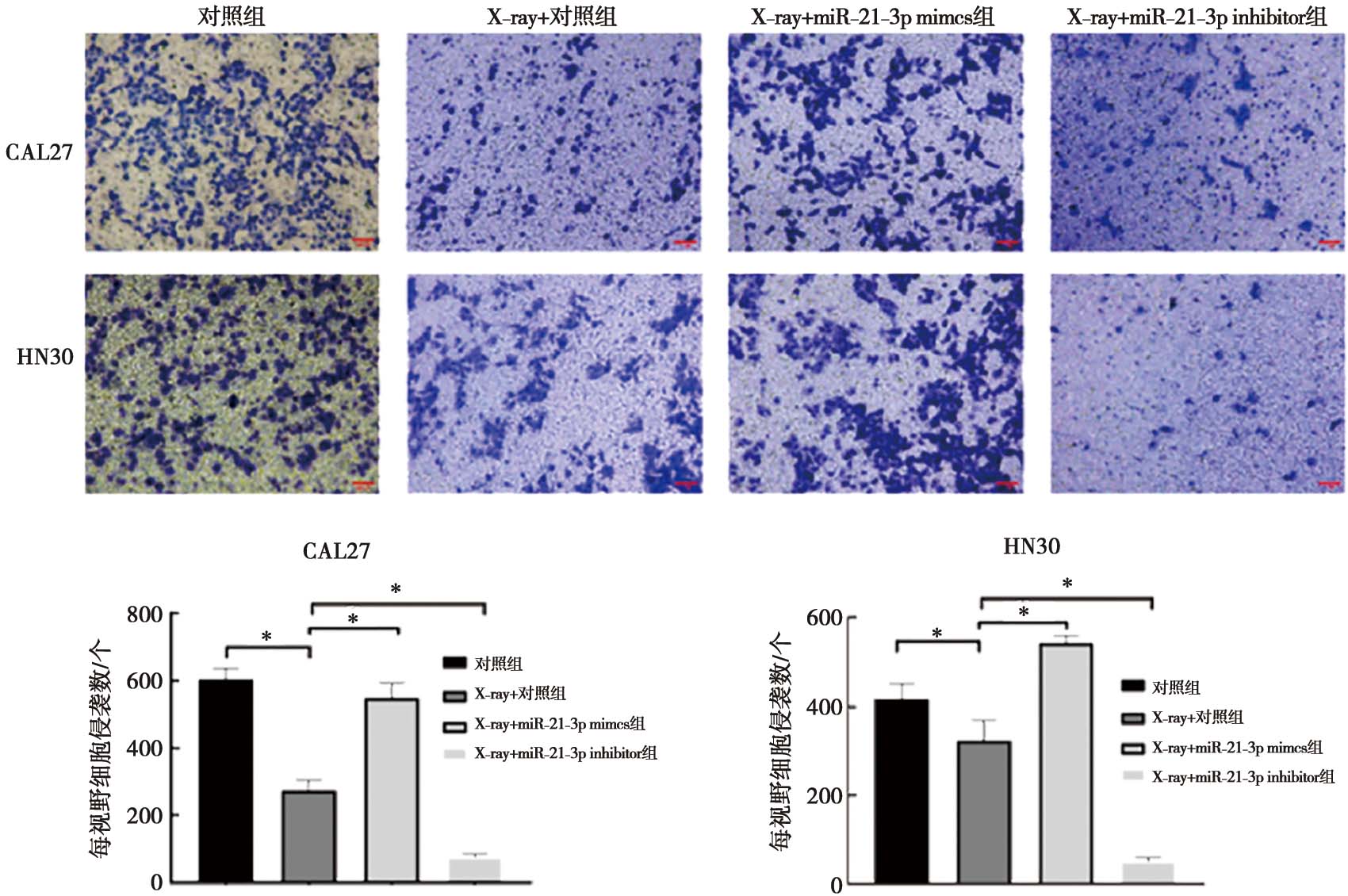
Fig.8
Effects of miR-21-3p up-/down regulation on migration of OSCC cells following X-ray irradiation"
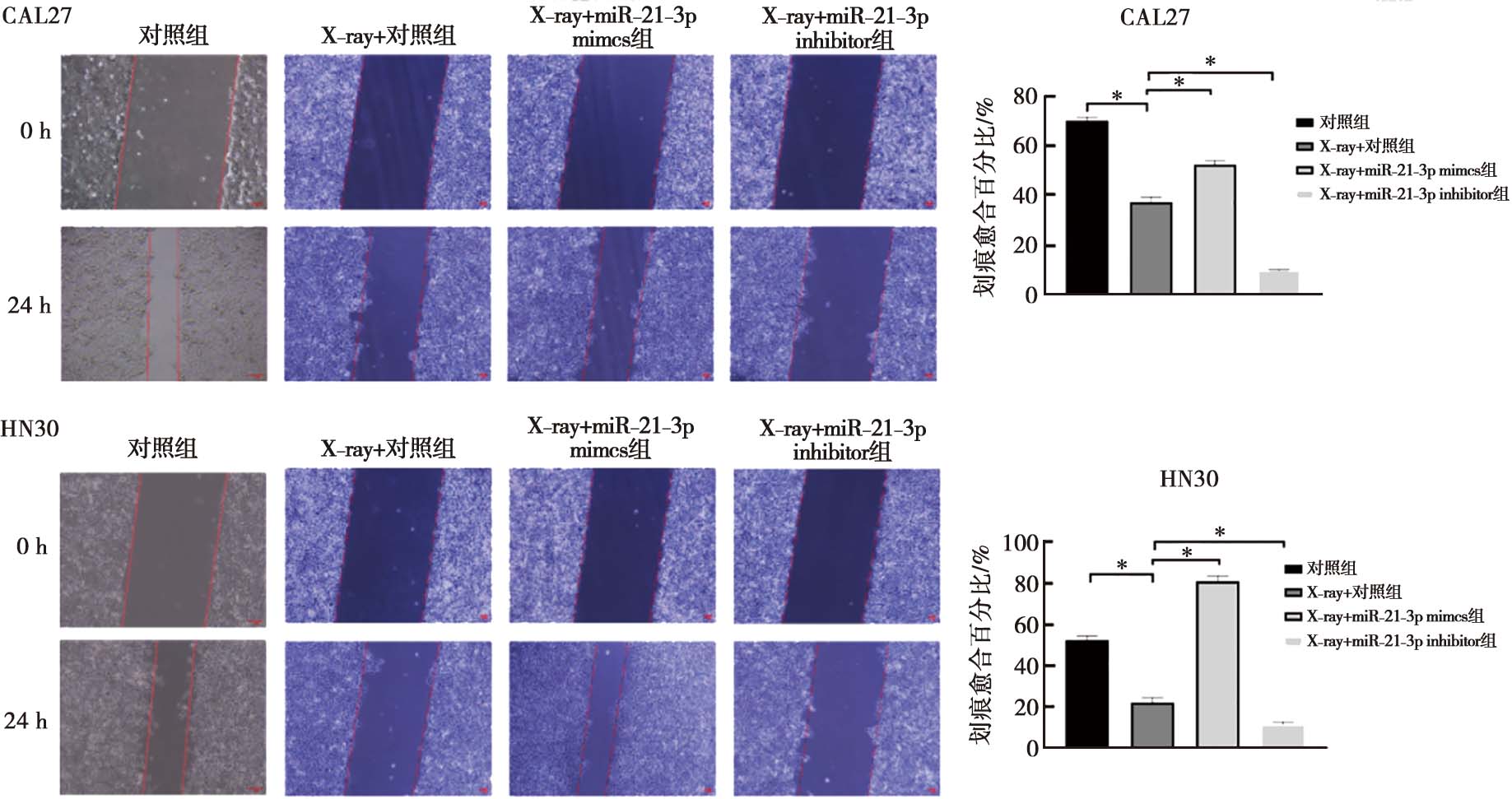
Fig.9
miR-21-3p targets FBP1"
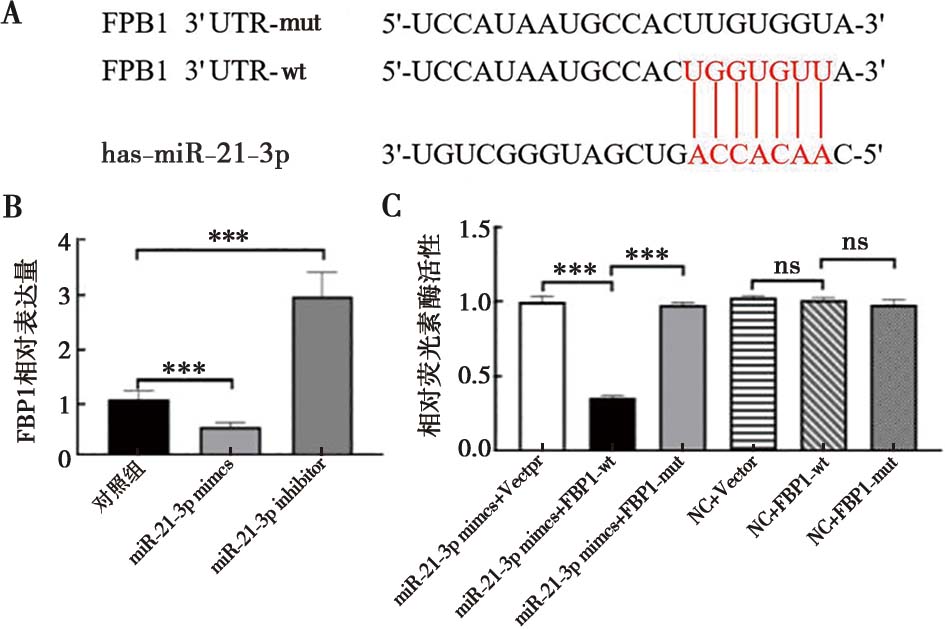
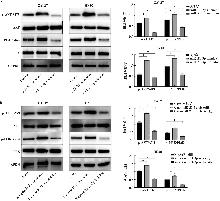
Fig.10
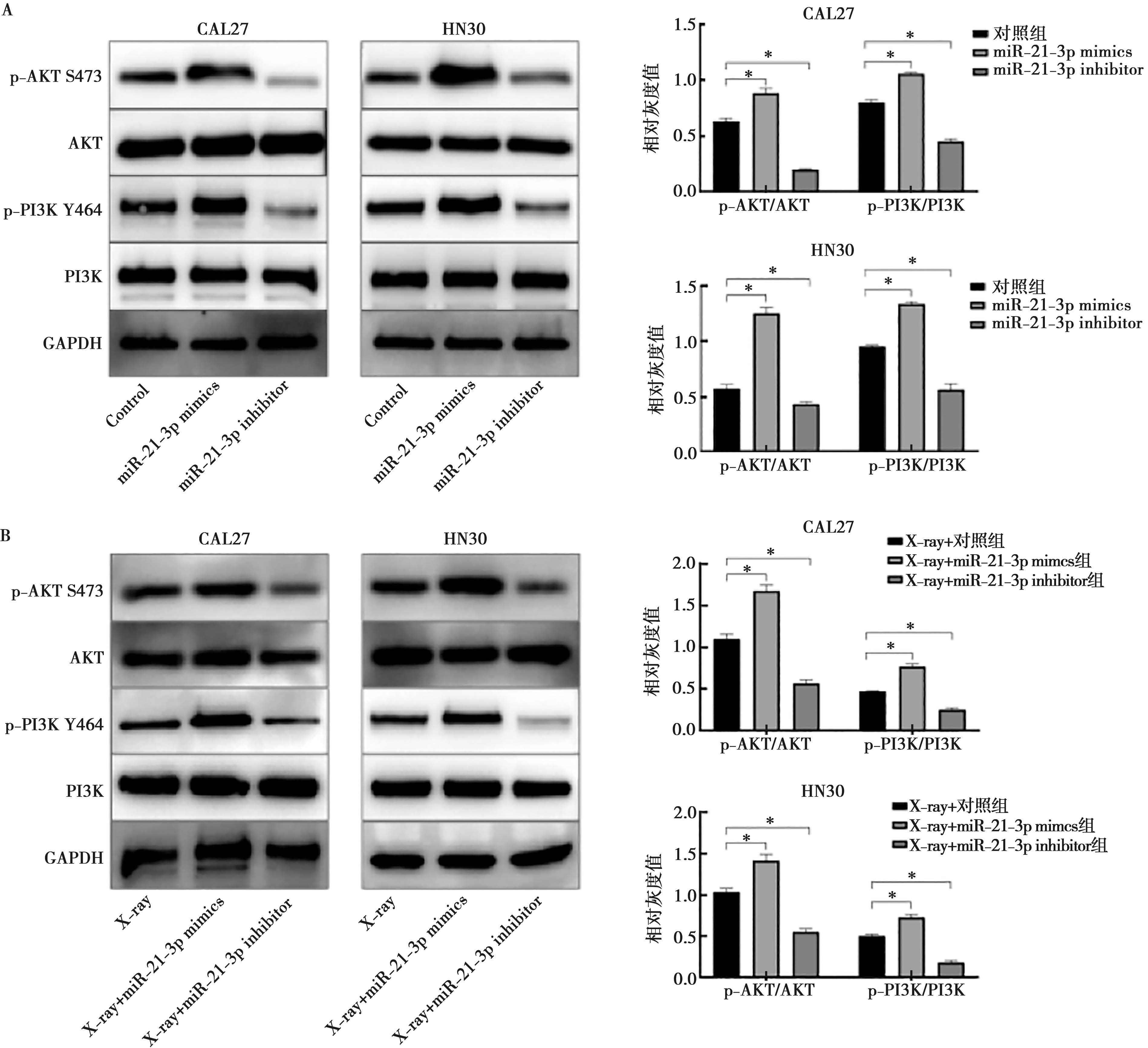
miR-21-3p activates the PI3K/AKT signaling pathway through phosphorylation"
| [1] |
Badwelan M, Muaddi H, Ahmed A, et al. Oral squamous cell carcinoma and concomitant primary tumors, what do we know? A review of the literature[J]. Curr Oncol, 2023, 30(4): 3721-3734.
doi: 10.3390/curroncol30040283 pmid: 37185396 |
| [2] |
Panarese I, Aquino G, Ronchi A, et al. Oral and Oropharyngeal squamous cell carcinoma: Prognostic and predictive parameters in the etiopathogenetic route[J]. Expert Rev Anticancer Ther, 2019, 19(2): 105-119.
doi: 10.1080/14737140.2019.1561288 |
| [3] |
Ng JH, Iyer NG, Tan MH, et al. Changing epidemiology of oral squamous cell carcinoma of the tongue: A global study[J]. Head Neck, 2017, 39(2): 297-304.
doi: 10.1002/hed.v39.2 |
| [4] |
Mody MD, Rocco JW, Yom SS, et al. Head and neck cancer[J]. Lancet, 2021, 398(10318): 2289-2299.
doi: 10.1016/S0140-6736(21)01550-6 pmid: 34562395 |
| [5] |
侯泽宇, 唐金茹, 李龙江. 口腔鳞状细胞癌发生、发展过程中细胞周期调控因子的研究进展[J]. 口腔颌面外科杂志, 2023, 33(2): 119-122.
doi: 10.3969/j.issn.1005-4979.2023.02.011 |
| [6] |
Linsen SS, Gellrich NC, Krüskemper G. Age- and localization-dependent functional and psychosocial impairments and health related quality of life six months after OSCC therapy[J]. Oral Oncol, 2018, 81: 61-68.
doi: S1368-8375(18)30152-0 pmid: 29884415 |
| [7] |
Meier JK, Schuderer JG, Zeman F, et al. Health-related quality of life: A retrospective study on local vs. microvascular reconstruction in patients with oral cancer[J]. BMC Oral Health, 2019, 19(1): 62.
doi: 10.1186/s12903-019-0760-2 pmid: 31029131 |
| [8] | 秦星. CAFs源性IL-6诱导的骨桥蛋白调控口腔鳞癌生长和转移[D]. 上海: 上海交通大学, 2019. |
| [9] | 李蕾, 李晓东, 庄乾伟, 等. 超声热疗联合TPF化疗治疗19例老年晚期口腔鳞癌的疗效分析[J]. 上海口腔医学, 2021, 30(5): 543-547. |
| [10] |
Cooper JS, Zhang Q, Pajak TF, et al. Long-term follow-up of the RTOG 9501/intergroup phase Ⅲ trial: Postoperative concurrent radiation therapy and chemotherapy in high-risk squamous cell carcinoma of the head and neck[J]. Int J Radiat Oncol Biol Phys, 2012, 84(5): 1198-1205.
doi: 10.1016/j.ijrobp.2012.05.008 |
| [11] |
Jadhav KB, Nagraj SK, Arora S. miRNA for the assessment of lymph node metastasis in patients with oral squamous cell carcinoma: Systematic review and metanalysis[J]. J Oral Pathol Med, 2021, 50(4): 345-352.
doi: 10.1111/jop.13134 pmid: 33220092 |
| [12] |
Liu X, Ma XR, Li HY, et al. LINC00472 suppresses oral squamous cell carcinoma growth by targeting miR-455-3p/ELF3 axis[J]. Bioengineered, 2022, 13(1): 1162-1173.
doi: 10.1080/21655979.2021.2018092 pmid: 35258410 |
| [13] |
Wang ZK, Guan WZ, Ma YF, et al. microRNA-191 regulates oral squamous cell carcinoma cells growth by targeting PLCD1 via the Wnt/β-catenin signaling pathway[J]. BMC Cancer, 2023, 23(1): 668.
doi: 10.1186/s12885-023-11113-9 |
| [14] |
He SQ, Zhang W, Li X, et al. Oral squamous cell carcinoma (OSCC)-derived exosomal miR-221 targets and regulates phosphoinositide-3-kinase regulatory subunit 1 (PIK3R1) to promote human umbilical vein endothelial cells migration and tube formation[J]. Bioengineered, 2021, 12(1): 2164-2174.
doi: 10.1080/21655979.2021.1932222 pmid: 34098850 |
| [15] |
Jadhav KB, Shah V, Chauhan N, et al. Expression of microRNA-21 in saliva and tumor tissue of patients with oral squamous cell carcinoma: A predictor of cervical lymph node metastasis[J]. Oral Surg Oral Med Oral Pathol Oral Radiol, 2022, 133(1): 60-69.
doi: 10.1016/j.oooo.2021.07.012 |
| [16] |
Song QH, Sui JZ, Yang YX, et al. Fructose-1, 6-bisphosphatase 1 in cancer: Dual roles, mechanistic insights, and therapeutic potential: A comprehensive review[J]. Int J Biol Macromol, 2025, 293: 139273.
doi: 10.1016/j.ijbiomac.2024.139273 |
| [17] |
Chen MQ, Zhang JB, Li N, et al. Promoter hypermethylation mediated downregulation of FBP1 in human hepatocellular carcinoma and colon cancer[J]. PLoS One, 2011, 6(10): e25564.
doi: 10.1371/journal.pone.0025564 |
| [18] |
Li M, Wang Z, Tao JJ, et al. Fructose-1, 6-bisphosphatase 1 dephosphorylates and inhibits TERT for tumor suppression[J]. Nat Chem Biol, 2024, 20(11): 1505-1513.
doi: 10.1038/s41589-024-01597-2 |
| [19] |
Yuan YM, Wang JZ, Huang LQ, et al. Bioinformatics identifica-tion of prognostic genes and potential interaction analysis in renal cell carcinoma[J]. Transl Cancer Res, 2023, 12(4): 774-783.
doi: 10.21037/tcr |
| [20] |
Qattan AT, Radulovic M, Crawford M, et al. Spatial distribution of cellular function: The partitioning of proteins between mitochondria and the nucleus in MCF7 breast cancer cells[J]. J Proteome Res, 2012, 11(12): 6080-6101.
doi: 10.1021/pr300736v pmid: 23051583 |
| [21] |
Peng X, Ma LS, Chen X, et al. Inhibition of FBP1 expression by KMT5A through TWIST1 methylation is one of the mechanisms leading to chemoresistance in breast cancer[J]. Oncol Rep, 2024, 52(2): 110.
doi: 10.3892/or |
| [22] |
Song MQ, Bode AM, Dong ZG, et al. AKT as a therapeutic target for cancer[J]. Cancer Res, 2019, 79(6): 1019-1031.
doi: 10.1158/0008-5472.CAN-18-2738 pmid: 30808672 |
| [23] |
Fresno Vara JA, Casado E, de Castro J, et al. PI3K/Akt signalling pathway and cancer[J]. Cancer Treat Rev, 2004, 30(2): 193-204.
doi: 10.1016/j.ctrv.2003.07.007 pmid: 15023437 |
| [24] |
Khezri MR, Jafari R, Yousefi K, et al. The PI3K/AKT signaling pathway in cancer: Molecular mechanisms and possible therapeutic interventions[J]. Exp Mol Pathol, 2022, 127: 104787.
doi: 10.1016/j.yexmp.2022.104787 |
| [25] |
Liu R, Chen YW, Liu GZ, et al. PI3K/AKT pathway as a key link modulates the multidrug resistance of cancers[J]. Cell Death Dis, 2020, 11(9): 797.
doi: 10.1038/s41419-020-02998-6 pmid: 32973135 |
| [26] |
Shen T, Yang TR, Yao MF, et al. BTC as a novel biomarker contributing to EMT via the PI3K-AKT pathway in OSCC[J]. Front Genet, 2022, 13: 875617.
doi: 10.3389/fgene.2022.875617 |
| [27] |
Wang H, Wang L, Zhou XC, et al. OSCC exosomes regulate miR-210-3p targeting EFNA3 to promote oral cancer angiogenesis through the PI3K/AKT pathway[J]. Biomed Res Int, 2020, 2020: 2125656.
doi: 10.1155/bmri.v2020.1 |
| [28] |
Xu SQ, Qin X, Liang JL, et al. Harnessing tetrahedral framework nucleic acids for enhanced delivery of microRNA-149-3p: A new frontier in oral squamous cell carcinoma therapy[J]. Cell Prolif, 2024, 57(8): e13637.
doi: 10.1111/cpr.v57.8 |
| [1] | ZHANG Chao, HAN Li, LIU Jiahong, MAO Zhouhong, FU Haoxuan, TANG Wanrong. The central role of EP300 in oral squamous cell carcinoma: Regulatory mechanisms and clinical prospects [J]. Stomatology, 2026, 46(8): 624-628. |
| [2] | LI Ang, GUO Shuqi, MENG Jian, SHAN Xuelong, LIU Zhen, ZHU Shenghui. Antitumor effects of Escherichia coli-derived outer membrane vesicles loaded with ferrous sulfide on oral squamous cell carcinoma [J]. Stomatology, 2026, 46(7): 504-513. |
| [3] | ZENG Xianglin, LIU Jimu, QIN Xiaorong, LI Bo. Expression and clinical significance of hSSB1 in oral squamous cell carcinoma [J]. Stomatology, 2026, 46(2): 126-130. |
| [4] | JIN Wanyong, NI Yanhong, HU Qingang. Expression pattern of COL11A1 and its association with tumor microenvironment in oral squamous cell carcinoma [J]. Stomatology, 2026, 46(1): 41-47. |
| [5] | WU Liwei, QIU Yongle, ZHAO Jiahong, ZHUANG Zhizheng, LI Kunshan. Analysis of differential expression profiles of circular RNA in oral squamous cell carcinoma and study on the carcinogenic mechanism of circ_PVT1 [J]. Stomatology, 2025, 45(9): 655-662. |
| [6] | GAO Teng, ZHAO Zhenyuan, ZHAO Mengran, LIU Jie, SONG Xiaomeng. The effect of miR-7975 on the malignant phenotype of oral squamous cell carcinoma [J]. Stomatology, 2025, 45(7): 495-501. |
| [7] | ZHOU Xing’an, DELEHEI Bateer, WU Xu, MA Hongyu, XIA Fengjun, SHEN Tiebing, SHANG Duo. Research progress of tumor-derived exosomes in oral squamous cell carcinoma [J]. Stomatology, 2025, 45(6): 465-469. |
| [8] | CHEN Yue, SUN Xueqian, CHEN Minmin. Research progress of lncRNA UCA1 in oral squamous cell carcinoma [J]. Stomatology, 2025, 45(4): 317-320. |
| [9] | CHEN Ruiye, LIU Yiqing, ZHANG Lu, CHEN Yuzhao, QIU Feng. Research progress of the role of NF-κB signaling pathway in oral squamous cell carcinoma [J]. Stomatology, 2025, 45(12): 951-955. |
| [10] | XIONG Ke, ZHANG Hao, HU Tuqiang. Experimental study on emodin regulating the proliferation of oral squamous cell carcinoma cells through autophagy [J]. Stomatology, 2024, 44(8): 602-608. |
| [11] | YI Jie, DING Yujie, SHAN Yufei, GU Jiaqi, SUN Zhida. Neutrophil extracellular traps regulating the development and prognosis of oral squamous cell carcinomas [J]. Stomatology, 2024, 44(7): 500-517. |
| [12] | SUN Xinyi, PAN Yuetong, LU Xinyue, LYU Zhongjing, YUAN Jian, LI Jiafeng, SHI Huan. Analysis of PTK7 expression in oral squamous cell carcinoma and its biological function [J]. Stomatology, 2024, 44(4): 268-275. |
| [13] | WANG Yapei, LUO Yuchun, LIU Wei, LIU Chang, TANG Wanrong. Effect of EP300 on the proliferation and migration of oral squamous carcinoma cells [J]. Stomatology, 2024, 44(2): 88-93. |
| [14] | YAO Tian, MA Yufeng. Research progress of cuproptosis in the treatment and prognosis of oral squamous cell carcinoma [J]. Stomatology, 2024, 44(11): 871-875. |
| [15] | HU Haiyan, GAO Teng, ZHU Zai'ou, DING Xu, WU Yunong, SONG Xiaomeng. Study on the role of CMTM4 in oral squamous cell carcinoma and its mechanism [J]. Stomatology, 2023, 43(6): 481-487. |
| Viewed | ||||||
|
Full text |
|
|||||
|
Abstract |
|
|||||
