
Stomatology ›› 2026, Vol. 46 ›› Issue (7): 504-513.doi: 10.13591/j.cnki.kqyx.2026.07.004
• Basic and Clinical Research • Previous Articles Next Articles
LI Ang1, GUO Shuqi1, MENG Jian1,2( ), SHAN Xuelong1, LIU Zhen1, ZHU Shenghui1
Received:2025-09-11
Online:2026-07-28
Published:2026-07-23
CLC Number:
LI Ang, GUO Shuqi, MENG Jian, SHAN Xuelong, LIU Zhen, ZHU Shenghui. Antitumor effects of Escherichia coli-derived outer membrane vesicles loaded with ferrous sulfide on oral squamous cell carcinoma[J]. Stomatology, 2026, 46(7): 504-513.
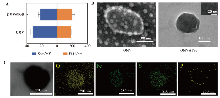
Fig.1
Characterization of OMV@FeS and OMV"
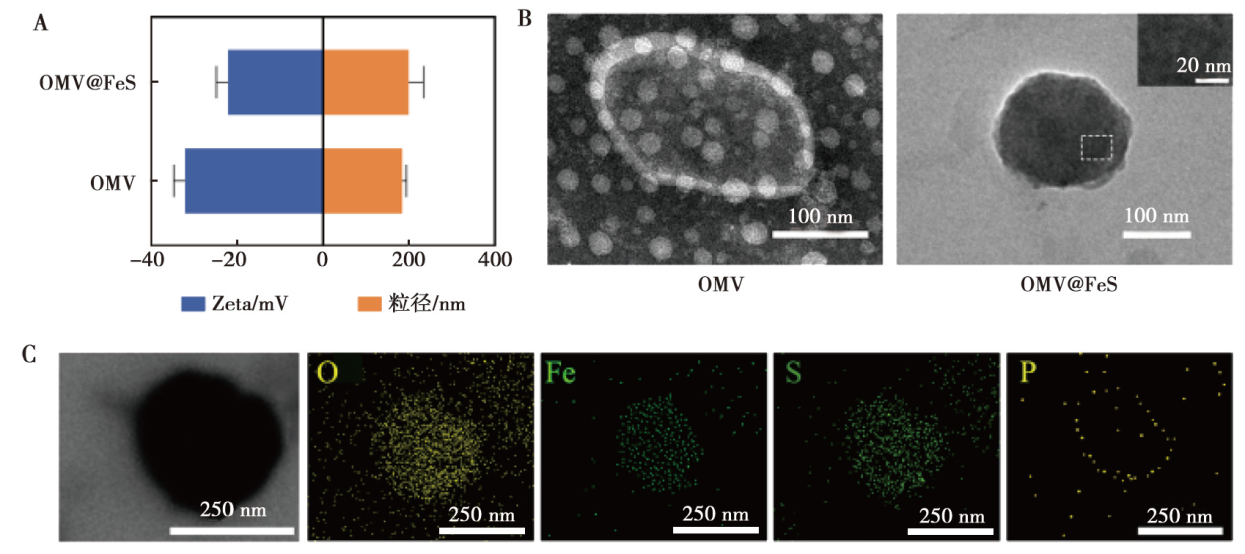
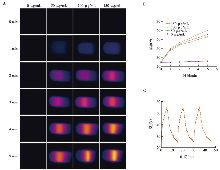
Fig.2
Photothermal performance investigation of OMV@FeS"
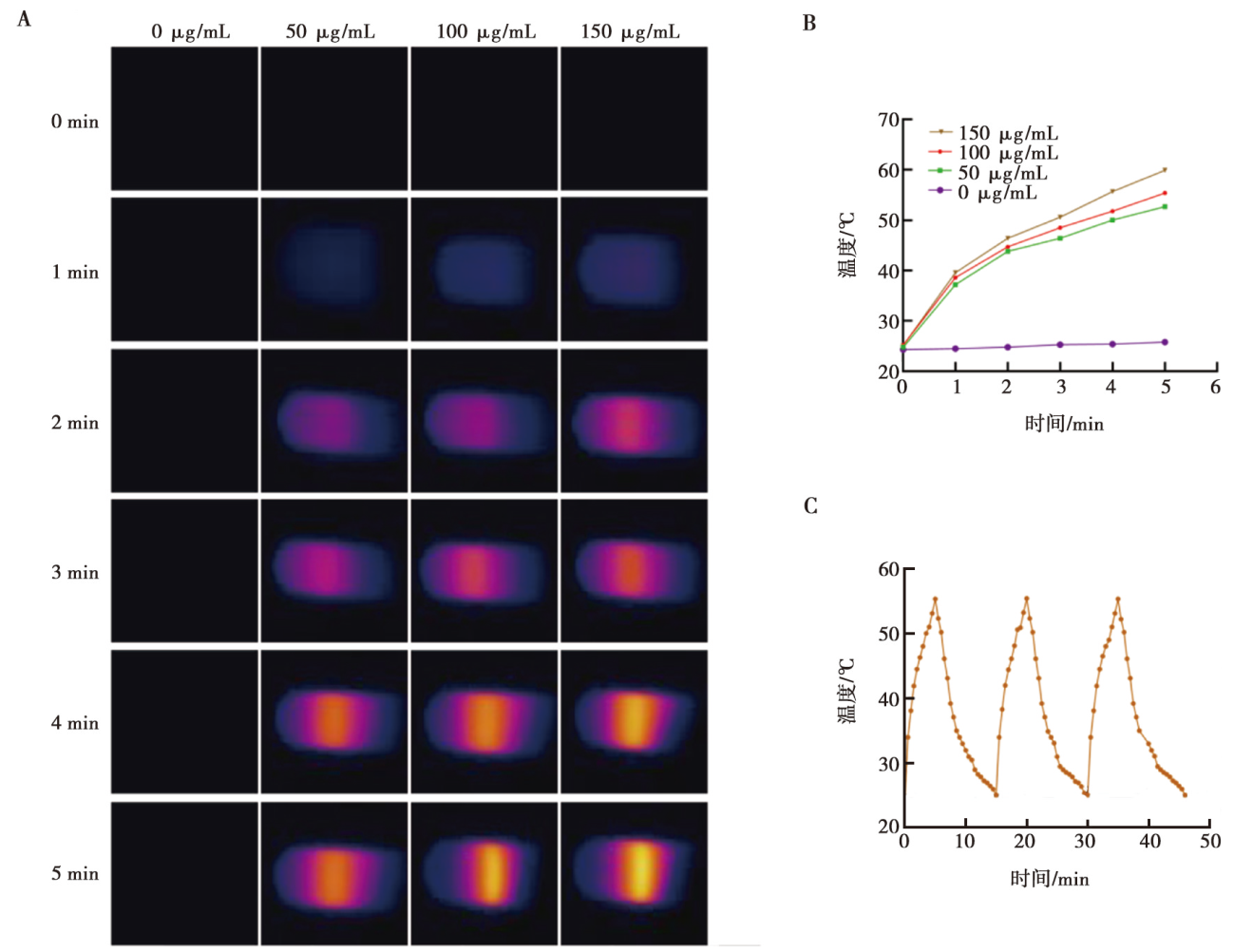
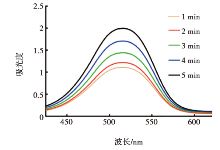
Fig.3
Absorbance changes of Fe2+ concentration under different reaction times"
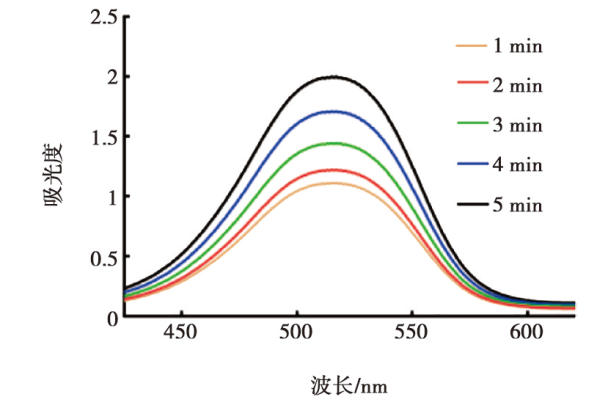
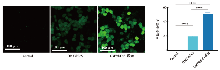
Fig.4
Catalytic generation of intracellular ROS of OMV@FeS in SCC-7 cells"
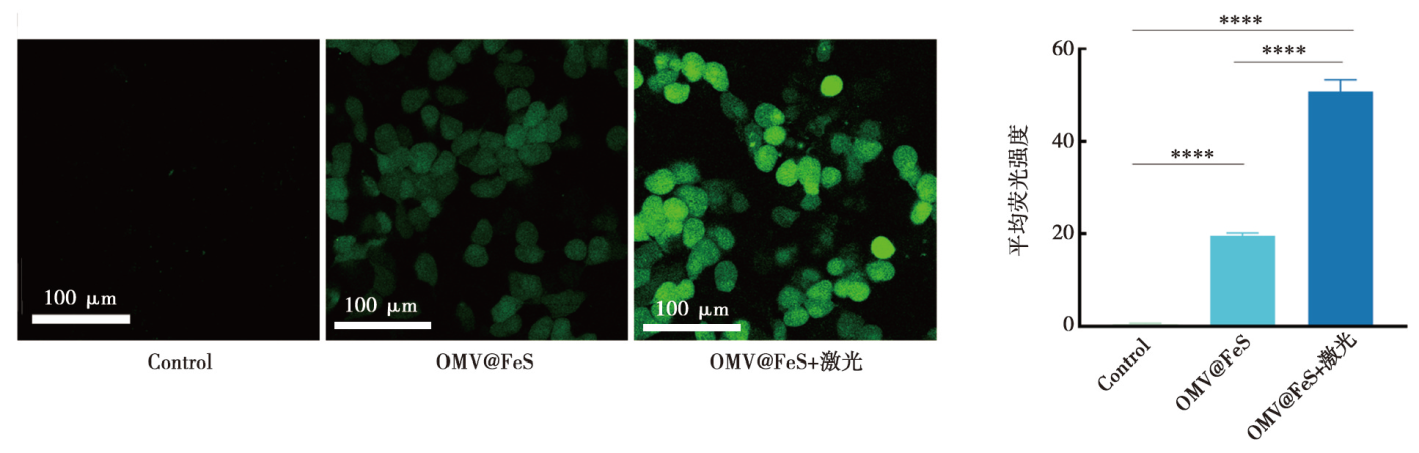
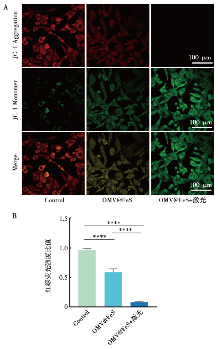
Fig.5
Fluorescence changes of JC-1 in SCC-7 cells after different treatments"
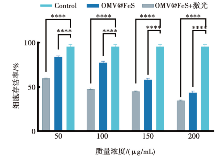
Fig.6
Changes in survival rate of SCC-7 cells after different treatments"
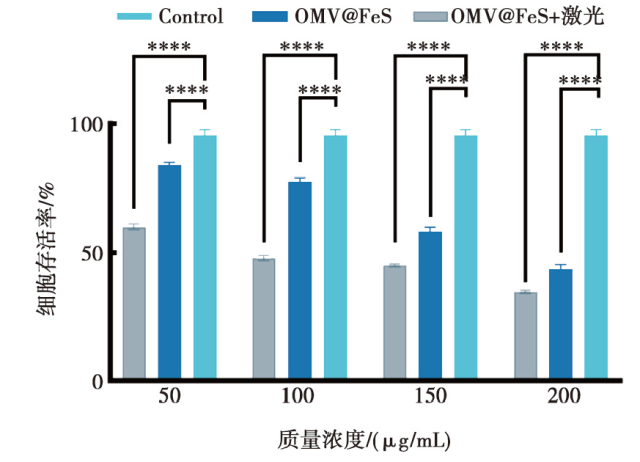
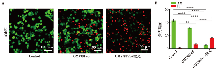
Fig.7
Fluorescence microscopy of Calcein-AM/PI cell staining after different treatments"
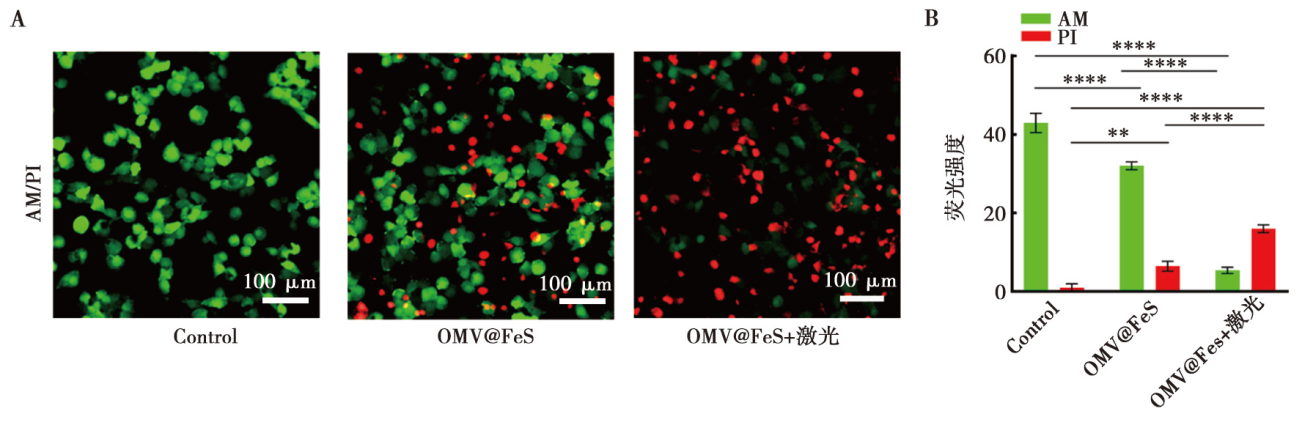
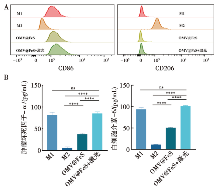
Fig.8
Effect of OMV@FeS combined with laser on macrophage polarization"
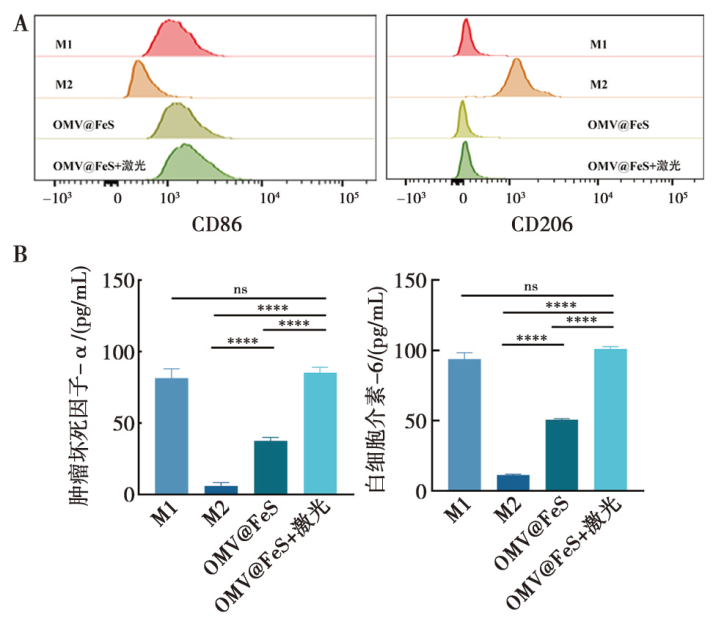
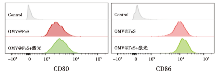
Fig.9
Expression of CD80 and CD86 after different treatments"
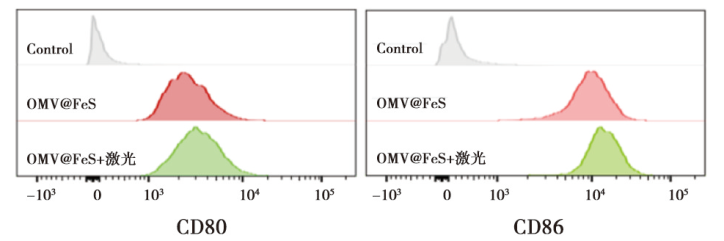
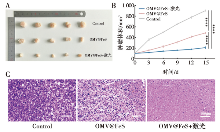
Fig.10
Anti-tumor effects of OMV@FeS after exposure of laser irradiation"
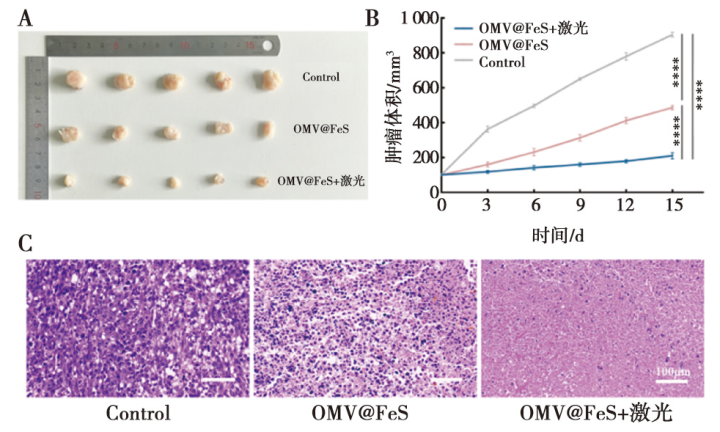
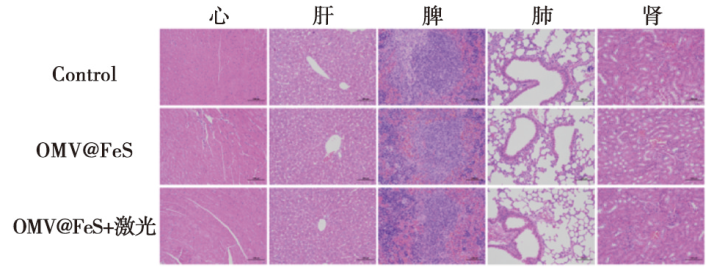
Fig.11
HE staining of major organ sections from mice"
| [1] |
Tan YH, Wang ZH, Xu MT, et al. Oral squamous cell carcinomas: State of the field and emerging directions[J]. Int J Oral Sci, 2023, 15(1): 44.
doi: 10.1038/s41368-023-00249-w pmid: 37736748 |
| [2] |
Hani U, Choudhary VT, Ghazwani M, et al. Nanocarriers for delivery of anticancer drugs: Current developments, challenges, and perspectives[J]. Pharmaceutics, 2024, 16(12): 1527.
doi: 10.3390/pharmaceutics16121527 |
| [3] |
Wu GH, Chen YS, Chen C, et al. Role and mechanisms of exercise therapy in enhancing drug treatment for glioma: A review[J]. Front Immunol, 2025, 16: 1576283.
doi: 10.3389/fimmu.2025.1576283 |
| [4] |
Liu JL, He CS, Tan WZ, et al. Path to bacteriotherapy: From bacterial engineering to therapeutic perspectives[J]. Life Sci, 2024, 352: 122897.
doi: 10.1016/j.lfs.2024.122897 |
| [5] |
Moghimipour E, Abedishirehjin S, Baghbadorani MA, et al. Bacteria and Archaea: A new era of cancer therapy[J]. J Control Release, 2021, 338: 1-7.
doi: 10.1016/j.jconrel.2021.08.019 |
| [6] |
Dhital S, Deo P, Stuart I, et al. Bacterial outer membrane vesicles and host cell death signaling[J]. Trends Microbiol, 2021, 29(12): 1106-1116.
doi: 10.1016/j.tim.2021.04.003 pmid: 34001418 |
| [7] |
Skotland T, Llorente A, Sandvig K. Lipids in extracellular vesicles: What can be learned about membrane structure and function?[J]. Cold Spring Harb Perspect Biol, 2023, 15(8): a041415.
doi: 10.1101/cshperspect.a041415 |
| [8] |
Zou MZ, Li ZH, Bai XF, et al. Hybrid vesicles based on autologous tumor cell membrane and bacterial outer membrane to enhance innate immune response and personalized tumor immunotherapy[J]. Nano Lett, 2021, 21(20): 8609-8618.
doi: 10.1021/acs.nanolett.1c02482 |
| [9] |
Zarepour A, Khosravi A, Yücel Ayten N, et al. Innovative approaches for cancer treatment: Graphene quantum dots for photodynamic and photothermal therapies[J]. J Mater Chem B, 2024, 12(18): 4307-4334.
doi: 10.1039/d4tb00255e pmid: 38595268 |
| [10] |
Chen JQ, Ning CY, Zhou ZN, et al. Nanomaterials as photothermal therapeutic agents[J]. Prog Mater Sci, 2019, 99: 1-26.
doi: 10.1016/j.pmatsci.2018.07.005 pmid: 30568319 |
| [11] |
Gao Y, Mu MY, Wei YJ, et al. Novel ultrathin ferrous sulfide nanosheets: Towards replacing black phosphorus in anticancer nanotheranostics[J]. Bioact Mater, 2025, 43: 564-578.
doi: 10.1016/j.bioactmat.2024.09.035 pmid: 40115876 |
| [12] |
Wang JJ, Sun ZL, Wang SR, et al. Biodegradable ferrous sulfide-based nanocomposites for tumor theranostics through specific intratumoral acidosis-induced metabolic symbiosis disruption[J]. J Am Chem Soc, 2022, 144(43): 19884-19895.
doi: 10.1021/jacs.2c07669 pmid: 36183257 |
| [13] |
Chen YH, Gu LJ, Ma BH, et al. Photoactivatable metal organic framework for synergistic ferroptosis and photodynamic therapy using 450 nm laser[J]. Chem Eng J, 2023, 454: 140438.
doi: 10.1016/j.cej.2022.140438 |
| [14] |
Zezeski AL, Hamilton LE, Geary TW. Improved evaluation of mitochondrial membrane potential in bovine spermatozoa using JC-1 with flow cytometry[J]. Biol Reprod, 2025, 113(1): 141-153.
doi: 10.1093/biolre/ioaf081 |
| [15] |
Małota K, Student S, Świᶏtek P. Low mitochondrial activity within developing earthworm male germ-line cysts revealed by JC-1[J]. Mitochondrion, 2019, 44: 111-121.
doi: S1567-7249(17)30084-3 pmid: 29398303 |
| [16] |
Chen YN, Hu MR, Wang L, et al. Macrophage M1/M2 polarization[J]. Eur J Pharmacol, 2020, 877: 173090.
doi: 10.1016/j.ejphar.2020.173090 |
| [17] |
Gunassekaran GR, Poongkavithai Vadevoo SM, Baek MC, et al. M1 macrophage exosomes engineered to foster M1 polarization and target the IL-4 receptor inhibit tumor growth by reprogramming tumor-associated macrophages into M1-like macrophages[J]. Biomaterials, 2021, 278: 121137.
doi: 10.1016/j.biomaterials.2021.121137 |
| [18] |
Chen Q, Liu CY, Liu C, et al. Wrapping Porphyromonas gingivalis for tumor microenvironment immunomodulation and photothermal immunotherapy[J]. Nano Today, 2021, 41: 101311.
doi: 10.1016/j.nantod.2021.101311 |
| [19] |
Kawaguchi H, Sakamoto T, Koya T, et al. Quality verification with a cluster-controlled manufacturing system to generate monocyte-derived dendritic cells[J]. Vaccines, 2021, 9(5): 533.
doi: 10.3390/vaccines9050533 |
| [20] |
Moon CY, Belabed M, Park MD, et al. Dendritic cell maturation in cancer[J]. Nat Rev Cancer, 2025, 25(4): 225-248.
doi: 10.1038/s41568-024-00787-3 pmid: 39920276 |
| [21] | Min H, Qi YQ, Zhang YL, et al. A graphdiyne oxide-based iron sponge with photothermally enhanced tumor-specific Fenton chemistry[J]. Adv Mater, 2020, 32(31): e2000038. |
| [22] |
Chen Y, Ma Q, Zhang J, et al. Endogenous iron(Ⅱ) self-enriched Fenton nanocatalyst via FTH1 activity inhibition and iron(Ⅲ) reduction for amplified cancer ferroptosis therapy[J]. Mol Pharm, 2025, 22(3): 1568-1583.
doi: 10.1021/acs.molpharmaceut.4c01292 |
| [23] | Xie CK, Cen D, Ren ZH, et al. FeS@BSA nanoclusters to enable H2S-amplified ROS-based therapy with MRI guidance[J]. Adv Sci (Weinh), 2020, 7(7): 1903512. |
| [24] | Jiang H, Guo YD, Yu ZG, et al. Nanocatalytic bacteria disintegration reverses immunosuppression of colorectal cancer[J]. Natl Sci Rev, 2022, 9(11): nwac169. |
| [25] |
Chen HY, Wang DQ, Liu JH, et al. Augmenting antitumor immune effects through the coactivation of cGAS-STING and NF-κB crosstalk in dendritic cells and macrophages by engineered manganese ferrite nanohybrids[J]. ACS Appl Mater Interfaces, 2025, 17(9): 13375-13390.
doi: 10.1021/acsami.4c18570 |
| [26] |
dos Santos HWG, Bramante BC, Perez MM, et al. Expression profile of IL-2, IL-6, IL-10, and TNF-α in breast tumors[J]. Int J Mol Sci, 2025, 26(16): 7841.
doi: 10.3390/ijms26167841 |
| [1] | ZENG Xianglin, LIU Jimu, QIN Xiaorong, LI Bo. Expression and clinical significance of hSSB1 in oral squamous cell carcinoma [J]. Stomatology, 2026, 46(2): 126-130. |
| [2] | JIN Wanyong, NI Yanhong, HU Qingang. Expression pattern of COL11A1 and its association with tumor microenvironment in oral squamous cell carcinoma [J]. Stomatology, 2026, 46(1): 41-47. |
| [3] | WU Liwei, QIU Yongle, ZHAO Jiahong, ZHUANG Zhizheng, LI Kunshan. Analysis of differential expression profiles of circular RNA in oral squamous cell carcinoma and study on the carcinogenic mechanism of circ_PVT1 [J]. Stomatology, 2025, 45(9): 655-662. |
| [4] | GAO Teng, ZHAO Zhenyuan, ZHAO Mengran, LIU Jie, SONG Xiaomeng. The effect of miR-7975 on the malignant phenotype of oral squamous cell carcinoma [J]. Stomatology, 2025, 45(7): 495-501. |
| [5] | ZHOU Xing’an, DELEHEI Bateer, WU Xu, MA Hongyu, XIA Fengjun, SHEN Tiebing, SHANG Duo. Research progress of tumor-derived exosomes in oral squamous cell carcinoma [J]. Stomatology, 2025, 45(6): 465-469. |
| [6] | CHEN Yue, SUN Xueqian, CHEN Minmin. Research progress of lncRNA UCA1 in oral squamous cell carcinoma [J]. Stomatology, 2025, 45(4): 317-320. |
| [7] | CHEN Ruiye, LIU Yiqing, ZHANG Lu, CHEN Yuzhao, QIU Feng. Research progress of the role of NF-κB signaling pathway in oral squamous cell carcinoma [J]. Stomatology, 2025, 45(12): 951-955. |
| [8] | XIONG Ke, ZHANG Hao, HU Tuqiang. Experimental study on emodin regulating the proliferation of oral squamous cell carcinoma cells through autophagy [J]. Stomatology, 2024, 44(8): 602-608. |
| [9] | YI Jie, DING Yujie, SHAN Yufei, GU Jiaqi, SUN Zhida. Neutrophil extracellular traps regulating the development and prognosis of oral squamous cell carcinomas [J]. Stomatology, 2024, 44(7): 500-517. |
| [10] | SUN Xinyi, PAN Yuetong, LU Xinyue, LYU Zhongjing, YUAN Jian, LI Jiafeng, SHI Huan. Analysis of PTK7 expression in oral squamous cell carcinoma and its biological function [J]. Stomatology, 2024, 44(4): 268-275. |
| [11] | WANG Yapei, LUO Yuchun, LIU Wei, LIU Chang, TANG Wanrong. Effect of EP300 on the proliferation and migration of oral squamous carcinoma cells [J]. Stomatology, 2024, 44(2): 88-93. |
| [12] | YAO Tian, MA Yufeng. Research progress of cuproptosis in the treatment and prognosis of oral squamous cell carcinoma [J]. Stomatology, 2024, 44(11): 871-875. |
| [13] | XIAO Bolin, ZHANG Wei, CHEN Gang. Extracellular vesicles and oral tumor immunity [J]. Stomatology, 2023, 43(9): 769-774. |
| [14] | HU Haiyan, GAO Teng, ZHU Zai'ou, DING Xu, WU Yunong, SONG Xiaomeng. Study on the role of CMTM4 in oral squamous cell carcinoma and its mechanism [J]. Stomatology, 2023, 43(6): 481-487. |
| [15] | XU Yiping, HUANG Jialing, LIU Zhongbin, YANG Kun, GE Song. Research progress of the relationship between Fusobacterium nucleatum and oral squamous cell carcinoma [J]. Stomatology, 2023, 43(6): 546-551. |
| Viewed | ||||||
|
Full text |
|
|||||
|
Abstract |
|
|||||
