
Stomatology ›› 2026, Vol. 46 ›› Issue (10): 763-770.doi: 10.13591/j.cnki.kqyx.2026.10.007
• Basic and Clinical Research • Previous Articles Next Articles
ZHU Wenwei1, LI Hongwei2, WANG Ying3, LI Wanlin3, ZHENG Menglu3, WANG Yucong3, SANG Lei3( )
Received:2025-08-17
Online:2026-10-28
Published:2026-10-16
CLC Number:
ZHU Wenwei, LI Hongwei, WANG Ying, LI Wanlin, ZHENG Menglu, WANG Yucong, SANG Lei. Analysis of lncRNA expression profile and its regulatory mechanism in patients with severe periodontitis[J]. Stomatology, 2026, 46(10): 763-770.
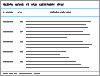
Tab.1
Primer sequences"
| 基因名称 | 引物序列(5'—3') |
|---|---|
| GAPDH | F:GGCATGGCCTTCCGTGTCCCC R:CACCCTGTTGCTGTAGCCAAATTC |
| LPO | F:AAAGACCAGCTCCTCCAAGC R:TGGTAGTCTGCGCTCTTGTG |
| PLEC | F:AGAGGCACATCAGTGACCTGTA R:ATCATTCCTGATGTTCACCAGCTTC |
| SLC6A6 | F:AGACAACAGACACGCGAGGT R:GGCCATCTCCTTGGTTTGGGA |
| FZD10 | F:GCTCAAGTGCTCCCCGATTA R:GCCTCCATGCACAGGTAGTT |
| ATP2C1 | F:CAATGGATGTTCAGCAGCTTTCA R:AGTCTGGCCCATCGCAACTC |
| PCAT19 | F:ACCCTGCCCTTAGTCAAATC R:TGGAATCCCACACTGTTACC |
| FENDRR | F:CTCCCGTGGAAGCCATTTCT R:CCTCTGGCTGCGTTTTTCAC |
| LINC00968 | F:GGGTAACTTCAGGTGGAGCC R:ACACGAAAGGCTGGAAGTGT |
| TPT1-AS1 | F:GGGGTGAGCTCGTCGAAGTTCT R:GGGCTGCTGCTGGCGCTGGT |
| IL12A-AS1 | F:TGCCCATGAAGTTGCCTCTG R:CCAGCAGCTTTGATCCTTGG |
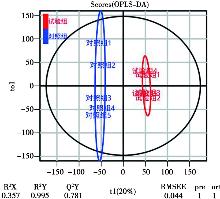
Fig.1
OPLS-DA of samples"
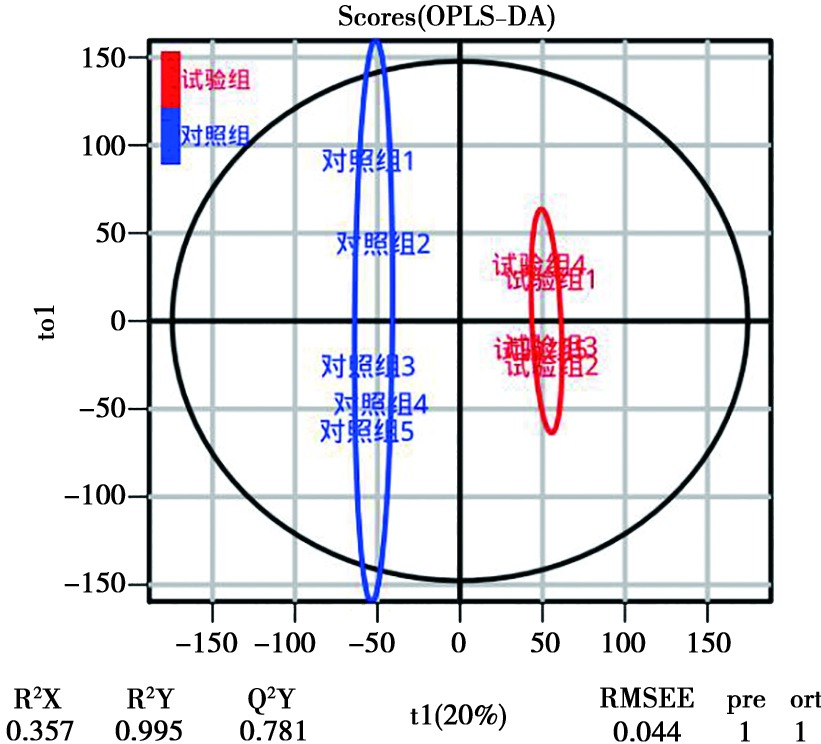
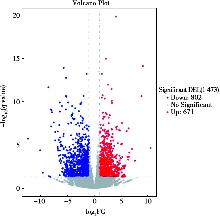
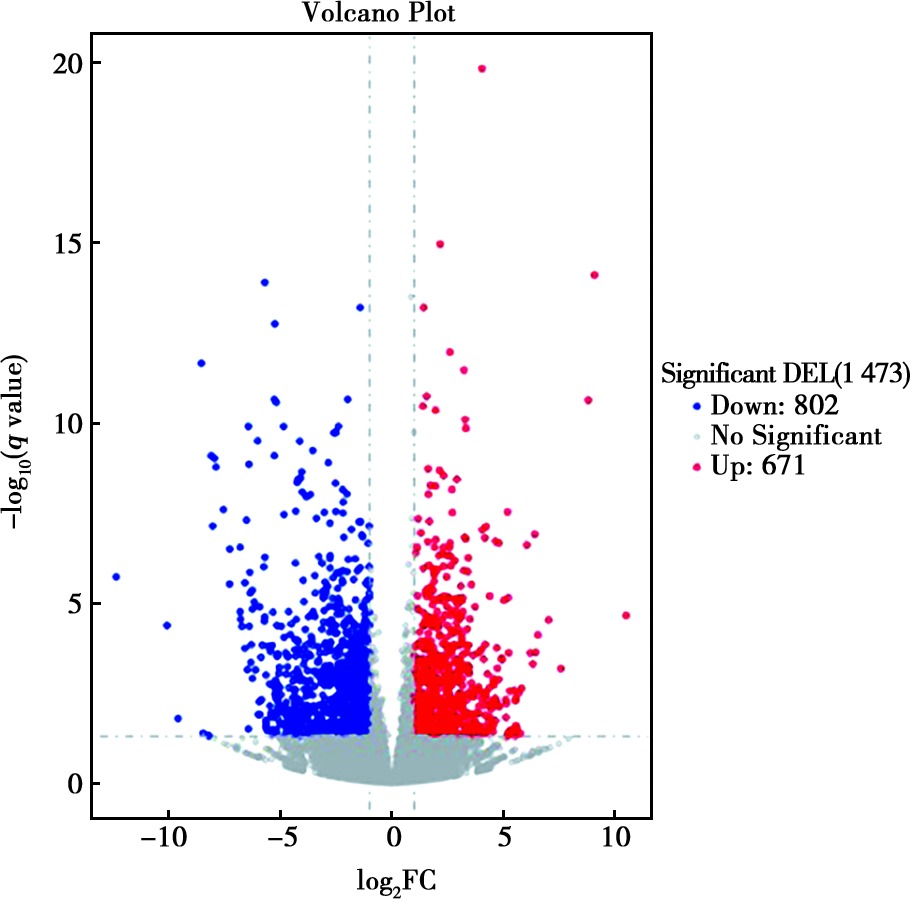
Fig.2
Volcano plot of differentially expressed lncRNA"
Tab.2
Top 10 upregulated lncRNAs"
| 基因名称 | |log2FC| |
|---|---|
| LINC01484 | 10.52 |
| LINC02362 | 9.10 |
| IQCH-AS1 | 6.46 |
| LINC00662 | 6.22 |
| PCAT19 | 6.07 |
| FENDRR | 5.83 |
| LINC00968 | 5.63 |
| IGHV3-64D | 5.59 |
| LASTR | 5.57 |
| ATP2B4 | 5.32 |
Tab.3
Top 10 downregulated lncRNAs"
| 基因名称 | |log2FC| |
|---|---|
| LINC02487 | 12.37 |
| LINC01475 | 8.54 |
| RPS6P15 | 8.30 |
| MAP3K9-DT | 7.28 |
| LINC01697 | 6.79 |
| UMPS | 6.60 |
| TPT1-AS1 | 6.48 |
| IL12A-AS1 | 6.36 |
| MAGI2-AS3 | 6.30 |
| FAM88B | 6.26 |
Fig.3
Heatmap of hierarchical cluster analysis of differentially expressed lncRNAs"
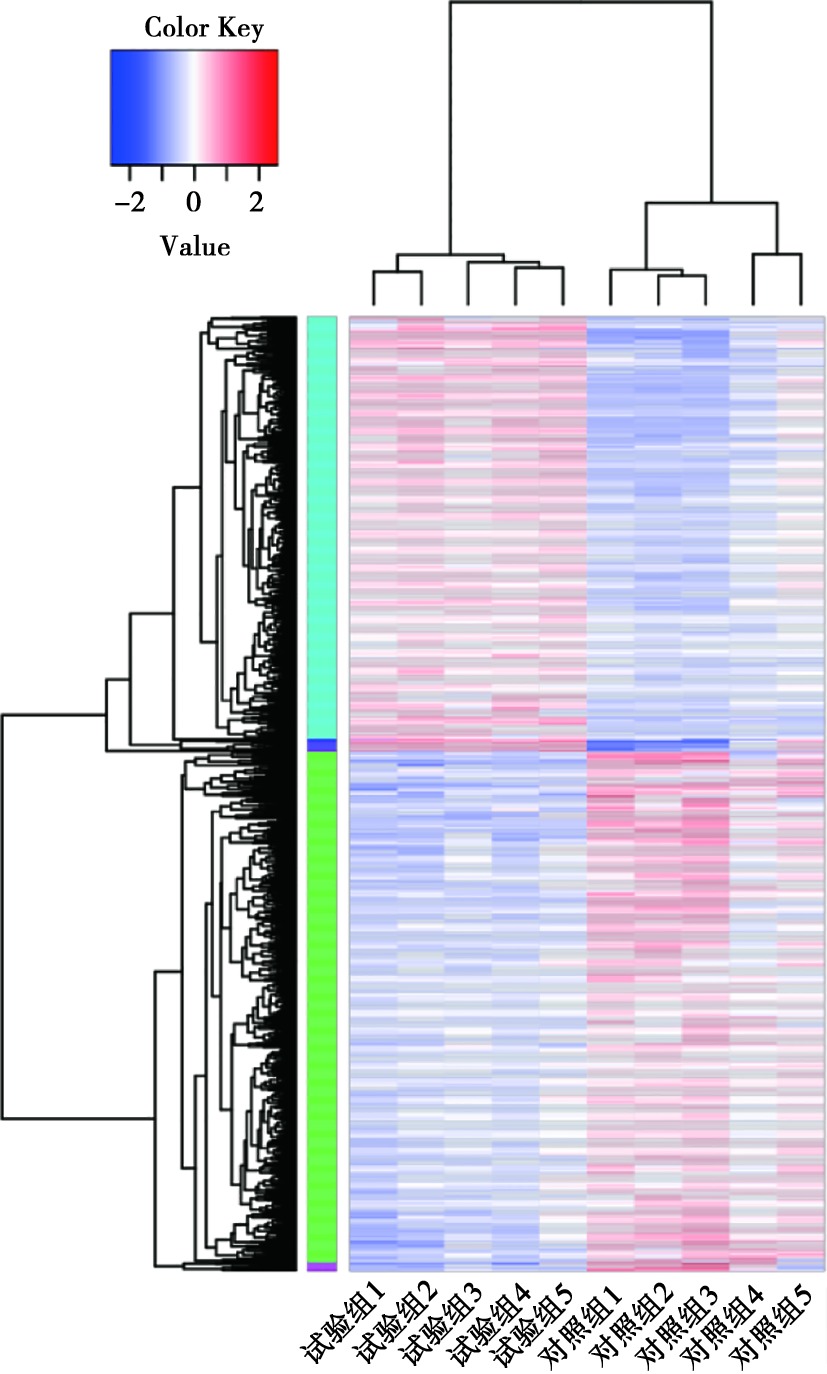
Fig.4
Volcano plot of differentially expressed mRNAs"
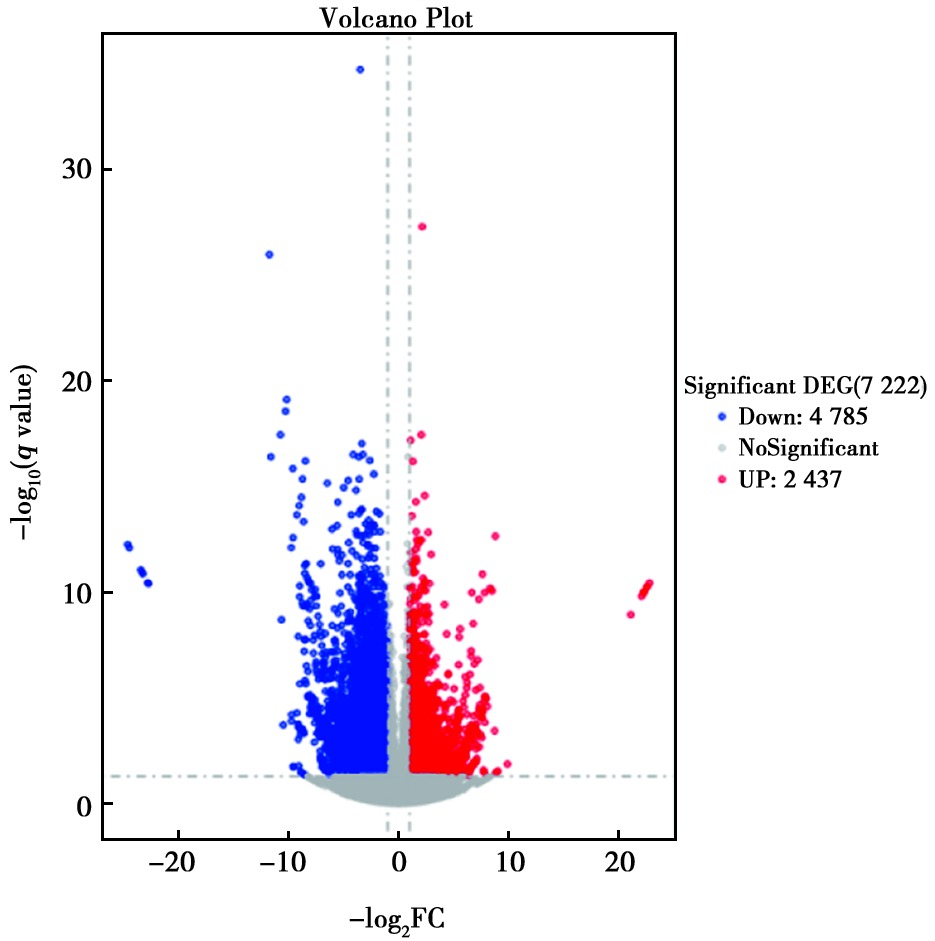
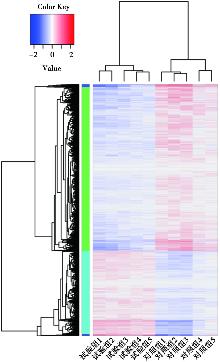
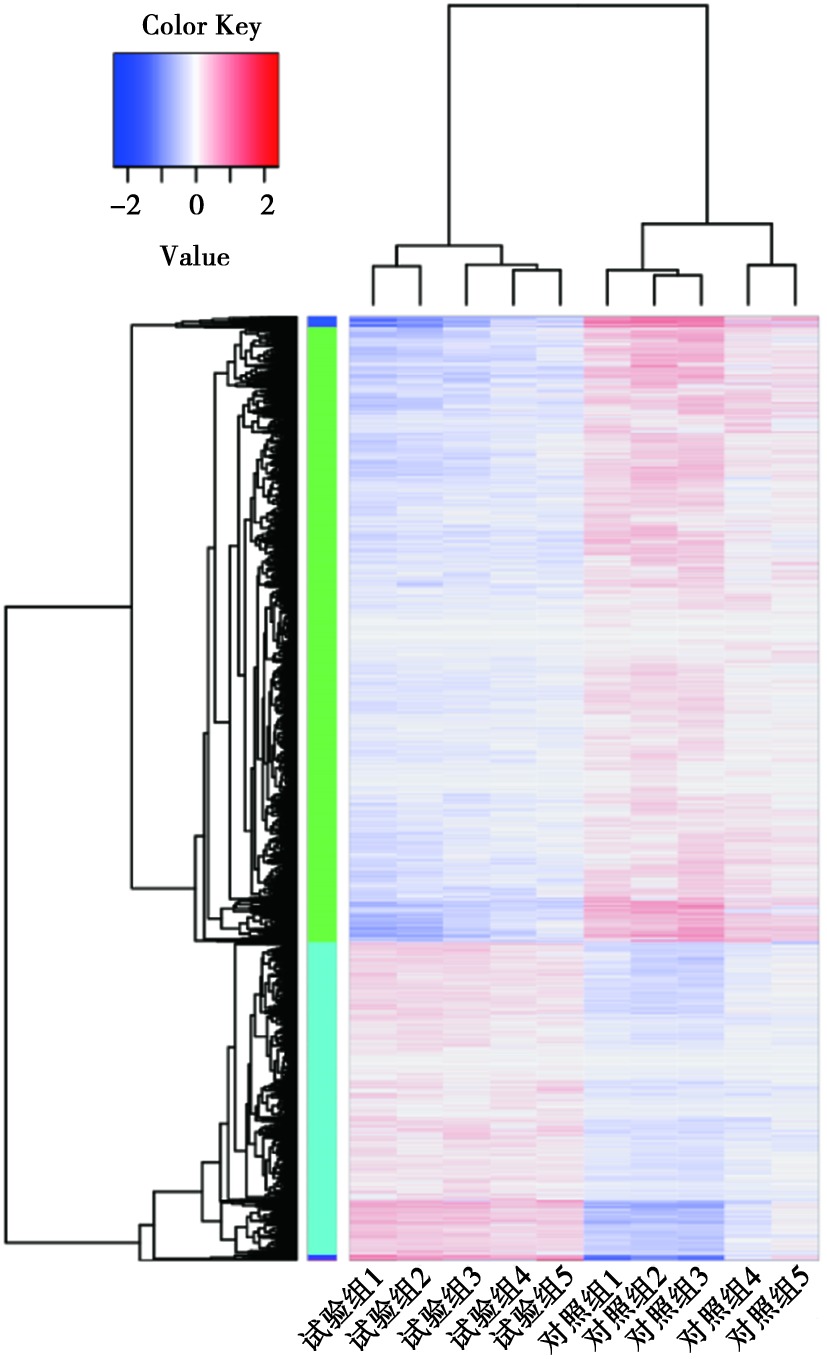
Fig.5
Heatmap of hierarchical cluster analysis of differentially expressed mRNAs"
Tab.4
Top 10 upregulated mRNAs"
| 基因名称 | |log2FC| |
|---|---|
| RSBN1 | 22.79 |
| MYO6 | 22.59 |
| DDX5 | 22.56 |
| ATP2C1 | 22.33 |
| ZMYND8 | 22.26 |
| BICRAL | 22.26 |
| SLC6A6 | 22.08 |
| SLC35B1 | 21.92 |
| GTPBP2 | 21.91 |
| PLEC | 21.78 |
Tab.5
Top 10 downregulated mRNAs"
| 基因名称 | |log2FC| |
|---|---|
| ACTN4 | 24.63 |
| FZD10 | 24.48 |
| AMBN | 24.23 |
| PRR27 | 24.02 |
| ZG16B | 23.99 |
| OBSCN | 23.73 |
| LPO | 23.72 |
| NUMB | 23.43 |
| TASOR2 | 23.33 |
| ELAPOR1 | 23.21 |
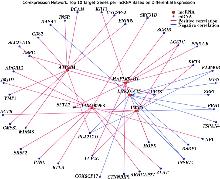
Fig.6
lncRNA-mRNA co-expression network"
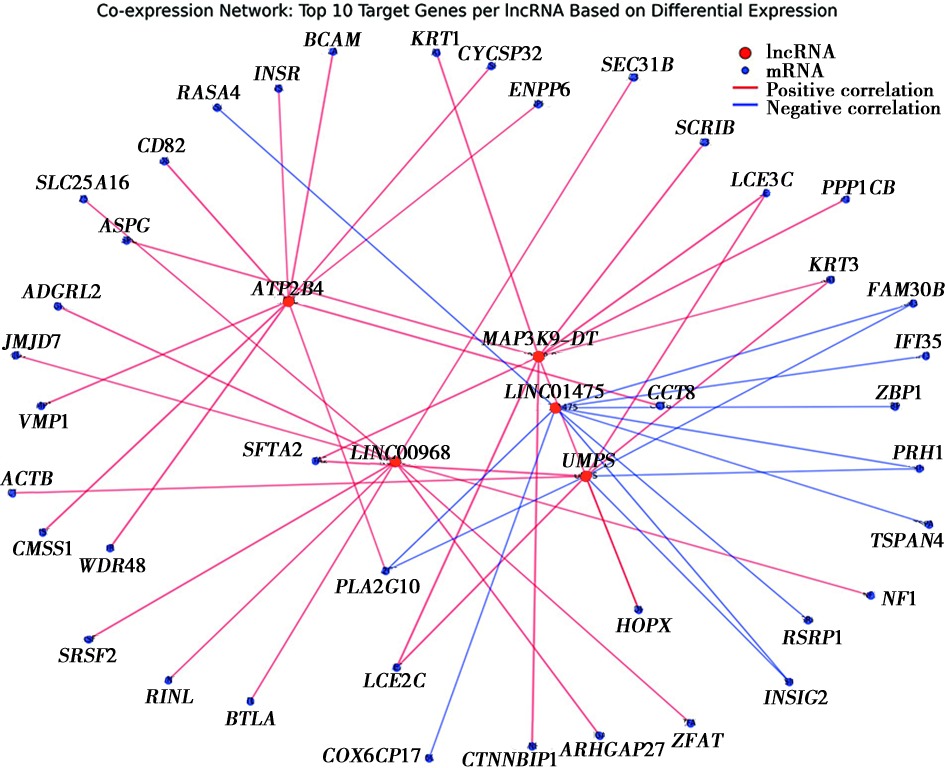
Fig.7
GO enrichment analysis"
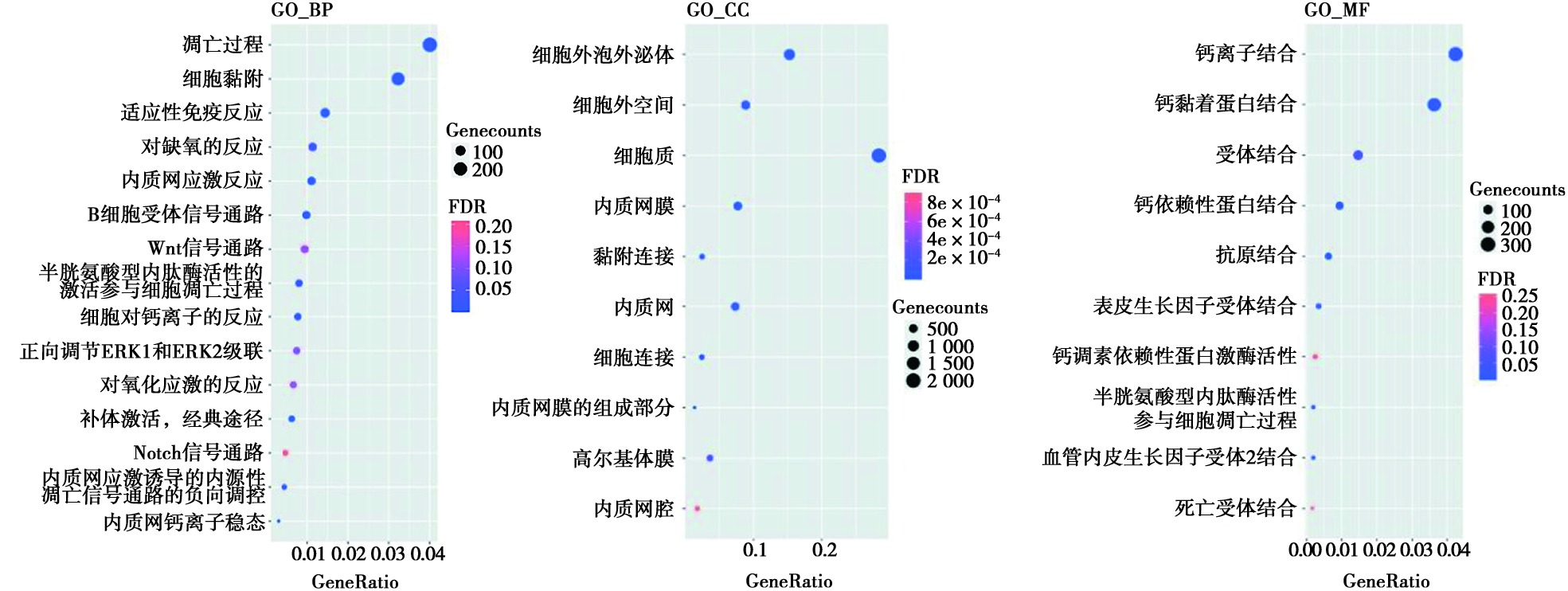
Fig.8
KEGG enrichment analysis"
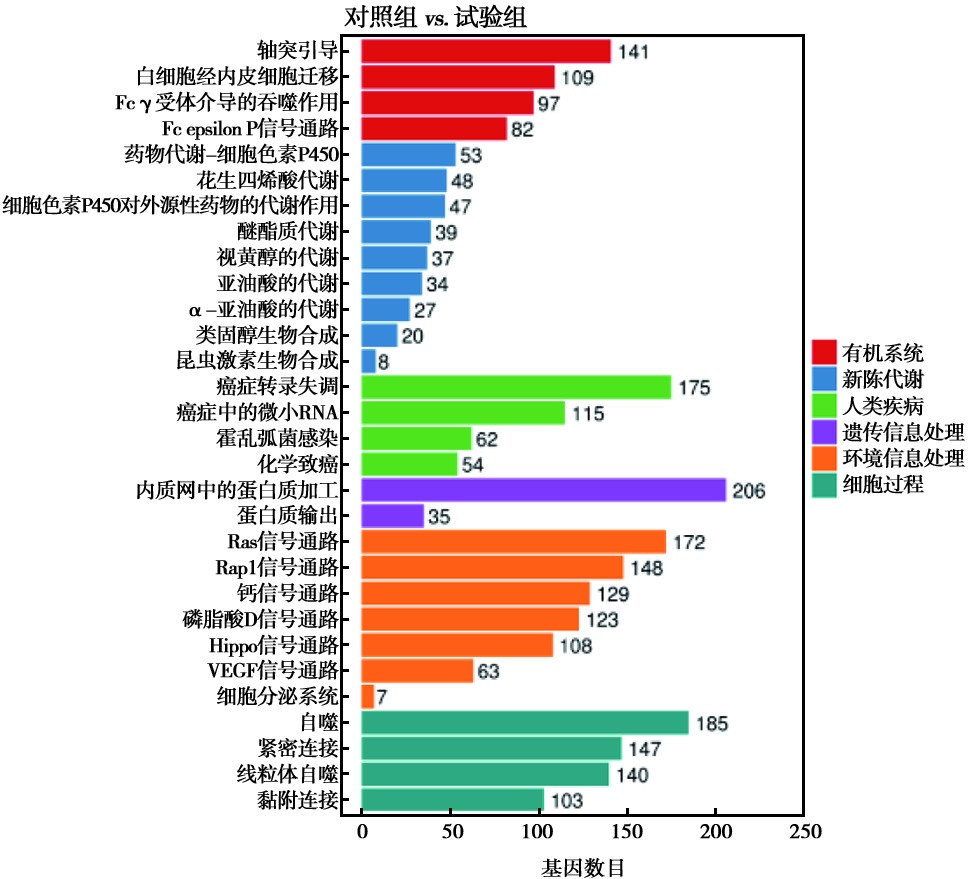

Fig.9
RT-qPCR in vitro validation results of genes consistent with high-throughput sequencing"

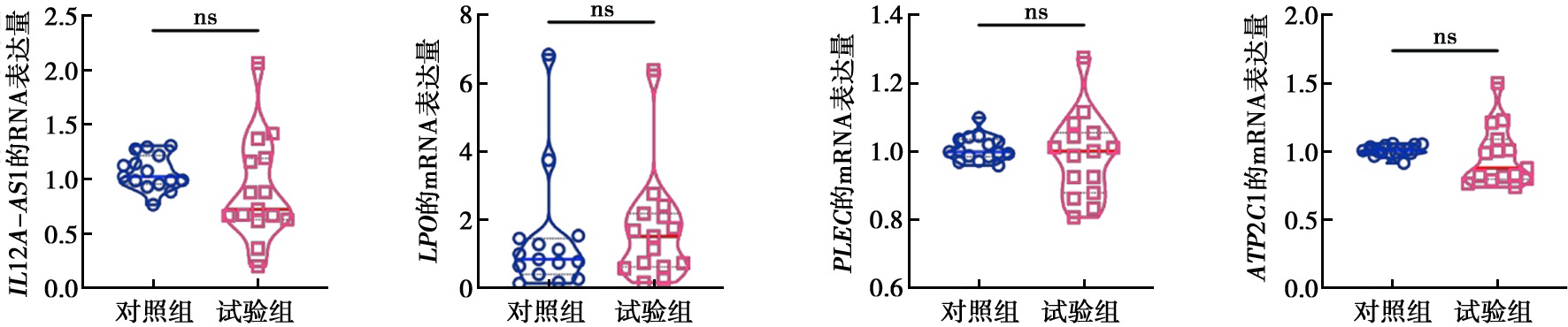
Fig.10
RT-qPCR in vitro validation results of genes inconsistent with high-throughput sequencing"
| [1] |
Zhang SP, Yu N, Arce RM. Periodontal inflammation: Integrating genes and dysbiosis[J]. Periodontol 2000, 2020, 82(1): 129-142.
doi: 10.1111/prd.12267 pmid: 31850627 |
| [2] |
Könönen E, Gursoy M, Gursoy UK. Periodontitis: A multifaceted disease of tooth-supporting tissues[J]. J Clin Med, 2019, 8(8): 1135.
doi: 10.3390/jcm8081135 |
| [3] |
Zhu ZX, Liu Y, Wang JH, et al. A novel lncRNA-mediated epigenetic regulatory mechanism in periodontitis[J]. Int J Biol Sci, 2023, 19(16): 5187-5203.
doi: 10.7150/ijbs.87977 pmid: 37928259 |
| [4] |
Ponting CP, Oliver PL, Reik W. Evolution and functions of long noncoding RNAs[J]. Cell, 2009, 136(4): 629-641.
doi: 10.1016/j.cell.2009.02.006 pmid: 19239885 |
| [5] |
Zhang XP, Wang W, Zhu WD, et al. Mechanisms and functions of long non-coding RNAs at multiple regulatory levels[J]. Int J Mol Sci, 2019, 20(22): 5573.
doi: 10.3390/ijms20225573 |
| [6] | Chapple ILC, Mealey BL, Van Dyke TE, et al. Periodontal health and gingival diseases and conditions on an intact and a reduced periodontium: Consensus report of workgroup 1 of the 2017 World Workshop on the Classification of Periodontal and Peri-Implant Diseases and Conditions[J]. J Clin Periodontol, 2018, 45(Suppl 20): S68-S77. |
| [7] |
Wang XY, Wang YH. LncRNA DCST1-AS1 inhibits PDLCs' proliferation in periodontitis and may bind with miR-21 precursor to upregulate PLAP-1[J]. J Periodontal Res, 2021, 56(2): 256-264.
doi: 10.1111/jre.12809 pmid: 33533513 |
| [8] |
Ruan DP, Wu CY, Zhang Y, et al. LncRNA LOXL1-AS1 inhibits proliferation of PDLSCs and downregulates IL-1β in periodontitis patients[J]. J Periodontal Res, 2022, 57(2): 324-331.
doi: 10.1111/jre.v57.2 |
| [9] |
Lu JY, Gu BB, Lu W, et al. Lnc-ANRIL modulates the immune response associated with NF-κB pathway in LPS-stimulated bovine mammary epithelial cells[J]. Immun Inflamm Dis, 2023, 11(12): e1125.
doi: 10.1002/iid3.v11.12 |
| [10] | Wang YH, Mou QJ, Zhu ZX, et al. MALAT1 promotes liver fibrosis by sponging miR-181a and activating TLR4-NF-κB signaling[J]. Int J Mol Med, 2021, 48(6):215. DOI:10.3892/ijmm.2021.5048. |
| [11] |
Chang YZ, Chai RC, Pang B, et al. METTL3 enhances the stability of MALAT1 with the assistance of HuR via m6A modification and activates NF-κB to promote the malignant progression of IDH-wildtype glioma[J]. Cancer Lett, 2021, 511: 36-46.
doi: 10.1016/j.canlet.2021.04.020 |
| [12] |
Liu L, Yan LN, Sui Z. microRNA-150 affects endoplasmic reticulum stress via MALAT1-miR-150 axis-mediated NF-κB pathway in LPS-challenged HUVECs and septic mice[J]. Life Sci, 2021, 265: 118744.
doi: 10.1016/j.lfs.2020.118744 |
| [13] |
Ma WR, Hu JH. The linear ANRIL transcript P14AS regulates the NF-κB signaling to promote colon cancer progression[J]. Mol Med, 2023, 29(1): 162.
doi: 10.1186/s10020-023-00761-z pmid: 38041015 |
| [14] |
Lanzillotti C, De Mattei M, Mazziotta C, et al. Long non-coding RNAs and microRNAs interplay in osteogenic differentiation of mesenchymal stem cells[J]. Front Cell Dev Biol, 2021, 9: 646032.
doi: 10.3389/fcell.2021.646032 |
| [15] |
Lin YF, Tang ZY, Jin LJ, et al. The expression and regulatory roles of long non-coding RNAs in periodontal ligament cells: A systematic review[J]. Biomolecules, 2022, 12(2): 304.
doi: 10.3390/biom12020304 |
| [16] | Zheng YF, Li XB, Huang YP, et al. Time series clustering of mRNA and lncRNA expression during osteogenic differentiation of periodontal ligament stem cells[J]. Peer J, 2018, 6: e5214. |
| [17] | 翁旭, 武东辉, 马文涛, 等. lncRNA PCAT19靶向miR-769-5p促进口腔鳞癌HSC3细胞的增殖、迁移和侵袭[J]. 实用医学杂志, 2023, 39(4): 417-422. |
| [18] | Kim WJ, Park SY, Kim OS, et al. Autophagy upregulates inflammatory cytokines in gingival tissue of patients with periodontitis and lipopolysaccharide-stimulated human gingival fibroblasts[J]. J Periodontol, 2022, 93(3): 380-391. |
| [19] |
Zhao SP, Yu C, Yang MS, et al. Long non-coding RNA FENDRR modulates autophagy through epigenetic suppression of ATG7 via binding PRC2 in acute pancreatitis[J]. Inflammation, 2021, 44(3): 999-1013.
doi: 10.1007/s10753-020-01395-7 |
| [20] |
Liao CH, Zhou YT, Li MF, et al. LINC00968 promotes osteogenic differentiation in vitro and bone formation in vivo via regulation of miR-3658/RUNX2[J]. Differentiation, 2020, 116: 1-8.
doi: 10.1016/j.diff.2020.09.005 |
| [21] |
Wu H, Zhang XY, Yang JH, et al. Taurine and its transporter TAUT positively affect male reproduction and early embryo development[J]. Hum Reprod, 2022, 37(6): 1229-1243.
doi: 10.1093/humrep/deac089 |
| [22] |
Rong ZH, Li FS, Zhang R, et al. Ant-neointimal formation effects of SLC6A6 in preventing vascular smooth muscle cell proliferation and migration via Wnt/β-catenin signaling[J]. Int J Mol Sci, 2023, 24(3): 3018.
doi: 10.3390/ijms24033018 |
| [23] |
Teles FRF, Chandrasekaran G, Martin L, et al. Salivary and serum inflammatory biomarkers during periodontitis progression and after treatment[J]. J Clin Periodontol, 2024, 51(12): 1619-1631.
doi: 10.1111/jcpe.14048 pmid: 39104016 |
| [24] |
Li Y, Li FL, Sun ZZ, et al. A review of literature: Role of long noncoding RNA TPT1-AS1 in human diseases[J]. Clin Transl Oncol, 2023, 25(2): 306-315.
doi: 10.1007/s12094-022-02947-z |
| [25] |
Luo JH, You HY, Zhan JH, et al. Long non-coding RNA TPT1-AS1 alleviates cell injury and promotes the production of extracellular matrix by targeting the microRNA-324-5p/CDK16 axis in human dermal fibroblasts after thermal injury[J]. Exp Ther Med, 2021, 22(2): 843.
doi: 10.3892/etm.2021.10275 pmid: 34149889 |
| [26] |
Wang JH, Yu HM, Dong W, et al. N6-methyladenosine-mediated up-regulation of FZD10 regulates liver cancer stem cells' properties and lenvatinib resistance through WNT/β-catenin and Hippo signaling pathways[J]. Gastroenterology, 2023, 164(6): 990-1005.
doi: 10.1053/j.gastro.2023.01.041 |
| [27] |
Güney Z, Kurgan Ş, Önder C, et al. Wnt signaling in periodontitis[J]. Clin Oral Investig, 2023, 27(11): 6801-6812.
doi: 10.1007/s00784-023-05294-7 |
| [1] | SHI Qian, YAN Ke, ZHANG Liying, WANG Xiaoqian. Study on detection of saliva fingerprint spectrum based on surface enhanced Raman scattering technology for screening of periodontitis [J]. Stomatology, 2026, 46(9): 677-683. |
| [2] | SUN Xu, LI Jin, SHEN Da, WANG Xue. Relationship between apical periodontitis and local marginal alveolar bone loss: A retrospective study [J]. Stomatology, 2026, 46(8): 561-566. |
| [3] | SHAN Yifan, ZHANG Hengzhi, ZHANG Yuhang, ZHU Xianxin, JIANG Fei, LU Wei. Analysis of factors influencing changes in residual ridge height and maxillary sinus mucosal thickness in the maxillary molar region of patients with periodontitis [J]. Stomatology, 2026, 46(8): 574-581. |
| [4] | ZHANG Qunbo, LI Cheng, REN Minyi, LI Lu. Filifactor alocis exacerbates experimental periodontitis by modulating CXCL3-mediated neutrophil infiltration [J]. Stomatology, 2026, 46(7): 481-488. |
| [5] | SHANG Wenjia, YANG Fanghong, GAO Hui, DAI Bingfeng, YANG Xiaochuan. Research on the mechanism of triptolide in meliorating Fusobacterium nucleatum-related periodontitis [J]. Stomatology, 2026, 46(7): 489-494. |
| [6] | DAI Shuyue, ZHANG Xiya, CHEN Jian, ZHANG Qinyu, ZHOU Yiyi, BI Mengfei, SHEN Ming. Correlation between LAPTM5 expression and macrophage infiltration in the progression of periodontitis [J]. Stomatology, 2026, 46(7): 495-503. |
| [7] | CHEN Jian, DAI Shuyue, ZHANG Qinyu, ZHOU Yiyi, BI Mengfei, SHEN Ming. The role of ATF6 in macrophage-mediated periodontitis progression [J]. Stomatology, 2026, 46(6): 416-421. |
| [8] | WANG Chunxiao, HUANG You, LIU Yan. Study on the effects of biological antimicrobial peptides on periodontitis factors and bone metabolism indicators [J]. Stomatology, 2026, 46(6): 422-426. |
| [9] | LI Yuanfeng, QIAN Yuanyi, HUANG Yanli, DING Peihui. Research progress of lysosome and its dysfunction in periodontitis [J]. Stomatology, 2026, 46(6): 460-465. |
| [10] | QIAN Linna, BIAN Mengyao, ZHU Xiao, CHEN Ran, XU Lei, WU Zhifang. Advances in oral microbial community and caries prediction for early childhood caries based on multi-omics studies [J]. Stomatology, 2026, 46(5): 388-394. |
| [11] | LONG Yulin, LI Qingcun, YIN Guoqiang, BAO Yaoguang, GE Liming, MU Changdao, XU Zhilang, LI Defu. Application and exploration of hydrogels in the repair of periodontitis-induced bone defects [J]. Stomatology, 2026, 46(5): 395-400. |
| [12] | CHEN Yingyu, LIU Mao, HU Yuheng, CAO Dan, GU Minfen, HU Danyan, WU Bin, YAN Bin. A study on the compositional differences of healthy and periodontitis-affected alveolar bone based on Raman spectroscopy [J]. Stomatology, 2026, 46(4): 241-245. |
| [13] | HAN Dong, YANG Shuhan, YU Xinhong, XIE Weili. The role of cimifugin in regulating macrophage polarization in periodontitis [J]. Stomatology, 2026, 46(4): 246-252. |
| [14] | ZHANG Kewei, WANG Feiyang, LI Jiaojiao, YANG Chen, CHEN Wu, LI Lin, SHI Wenhui, CHEN Xiaomei, WANG Xiaoqian. Study on clinical effect of digital occlusal guided periodontal splint for periodontitis patients with loose teeth [J]. Stomatology, 2026, 46(4): 253-259. |
| [15] | GAO Han, ZHOU Yue. Research progress of PKM2-mediated regulatory pathways in periodontitis [J]. Stomatology, 2026, 46(2): 148-151. |
| Viewed | ||||||
|
Full text |
|
|||||
|
Abstract |
|
|||||
