
Stomatology ›› 2026, Vol. 46 ›› Issue (9): 663-670.doi: 10.13591/j.cnki.kqyx.2026.09.004
• Basic and Clinical Research • Previous Articles Next Articles
SUN Siyi1,2, SHA Ying1,2, QIN Ziyi1,2, JIANG Fei2,3, XU Hai1,2, ZHANG Guangdong1,2( )
)
Received:2026-03-17
Online:2026-09-28
Published:2026-09-20
CLC Number:
SUN Siyi, SHA Ying, QIN Ziyi, JIANG Fei, XU Hai, ZHANG Guangdong. Experimental study on enamel remineralization induced by remineralization solutions with different calcium-to-phosphate ratios mediated by P-PAMAM[J]. Stomatology, 2026, 46(9): 663-670.
Tab.1
Formulation of remineralization solutions with different calcium-to-phosphate ratios (per 50 mL)"
| 钙磷比 | CaCl2 | KH2PO4 |
|---|---|---|
| 2∶1 | 18.55 mg | 11.35 mg |
| 1.67∶1 | 15.55 mg | 11.35 mg |
| 1∶1 | 9.23 mg | 11.35 mg |
| 0.5∶1 | 4.65 mg | 11.35 mg |
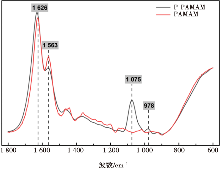
Fig.1
ATR-FTIR spectrum of PAMAM and P-PAMAM"
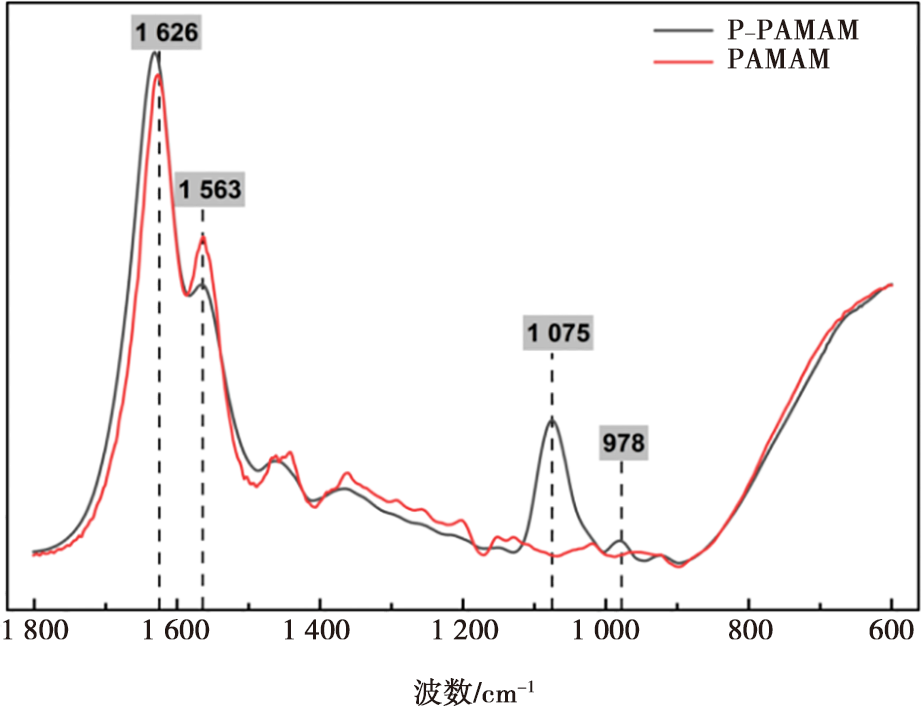
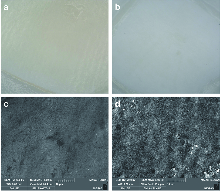
Fig.2
Stereomicroscope and SEM views of enamel before and after demineralization"
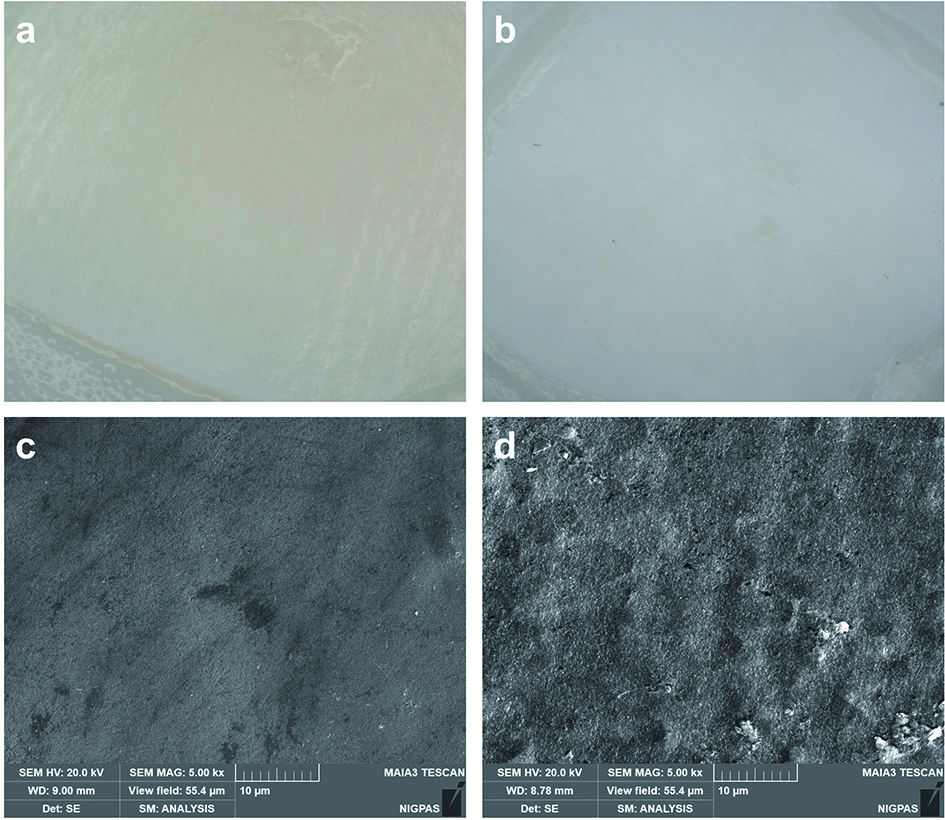
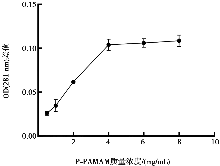
Fig.3
Adsorption capacity of P-PAMAM for HAP"
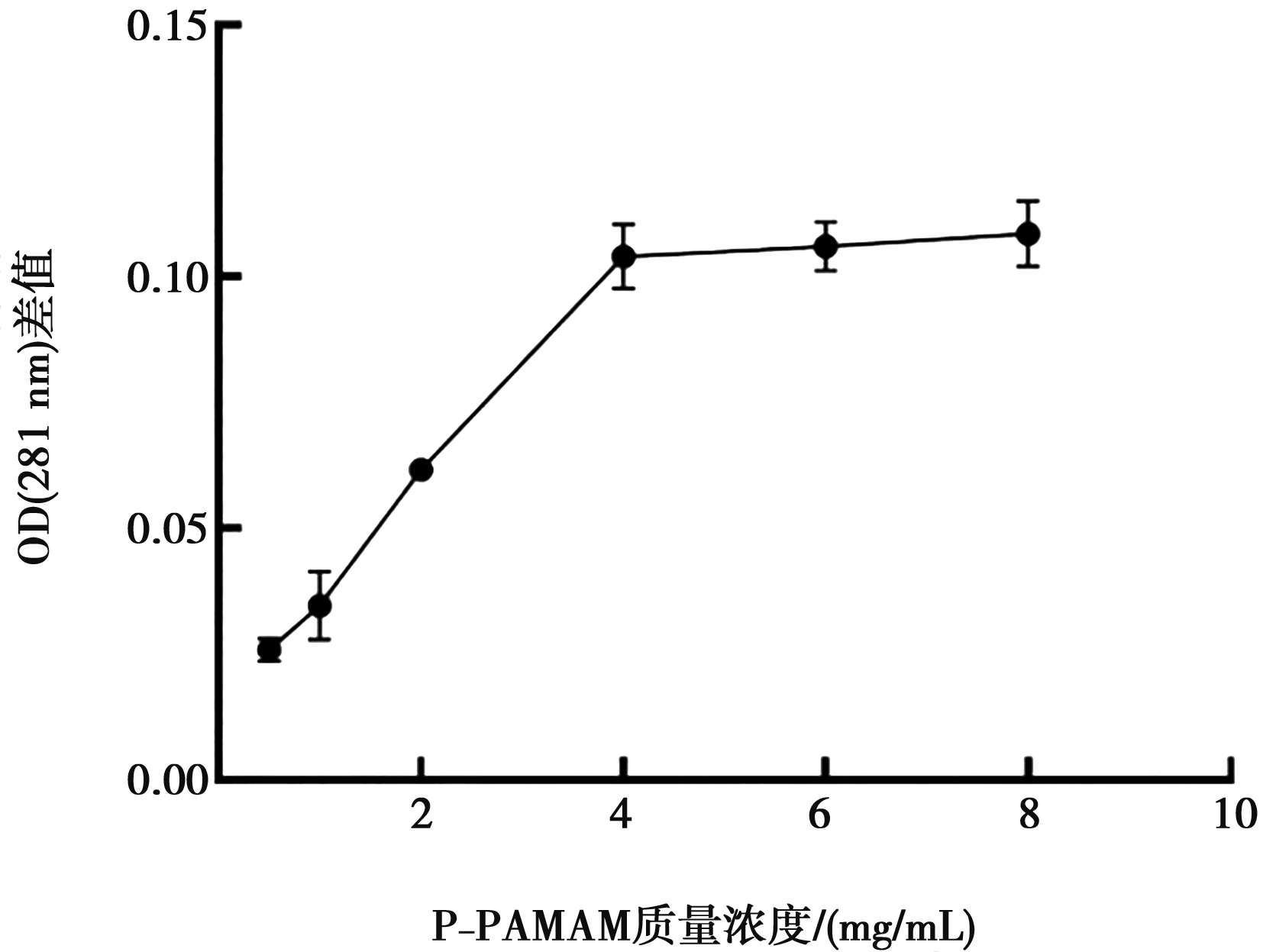
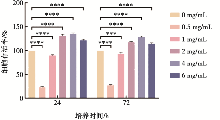
Fig.4
Cell survival rate of L929 cells cultured with different mass concentrations of P-PAMAM for 24 h and 72 h"

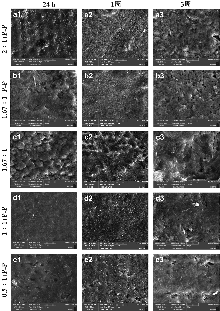
Fig.5
SEM images of samples remineralized for 24 h, 1 week, and 3 weeks( ×5 000)"

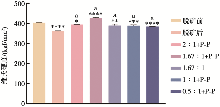
Fig.6
Micro Vickers hardness of enamel after 3-week-remineralization"
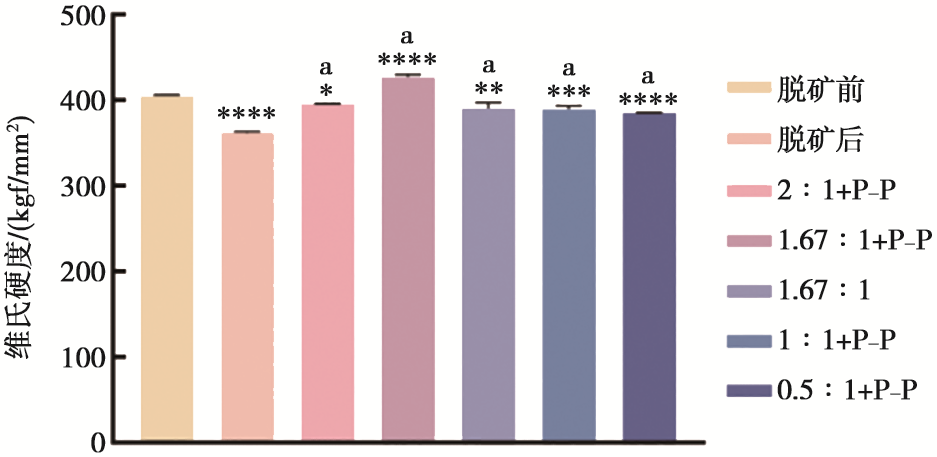
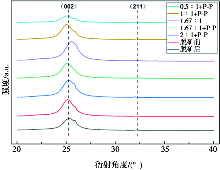
Fig.7
XRD analysis of the remineralized layer"

| [1] | Sofan E, Sofan A, Palaia G, et al. Classification review of dental adhesive systems: From the Ⅳ generation to the universal type[J]. Ann Stomatol (Roma), 2017, 8(1): 1-17. |
| [2] | 王楠楠, 贺红, 花放. 正畸相关釉质脱矿危险因素的研究进展[J]. 国际口腔医学杂志, 2024, 51(1): 91-98. |
| [3] |
Harper RA, Shelton RM, James JD, et al. Acid-induced demineralisation of human enamel as a function of time and pH observed using X-ray and polarised light imaging[J]. Acta Biomater, 2021, 120: 240-248.
doi: 10.1016/j.actbio.2020.04.045 pmid: 32438107 |
| [4] | 蔺孝慧, 杨梦源, 李春年. 仿生再矿化治疗在牙釉质早期脱矿的作用及机制[J]. 中国组织工程研究, 2025, 29(4): 856-865. |
| [5] |
Chen M, Yang JJ, Li JY, et al. Modulated regeneration of acid-etched human tooth enamel by a functionalized dendrimer that is an analog of amelogenin[J]. Acta Biomater, 2014, 10(10): 4437-4446.
doi: 10.1016/j.actbio.2014.05.016 pmid: 24879313 |
| [6] |
Chen L, Yuan H, Tang B, et al. Biomimetic remineralization of human enamel in the presence of polyamidoamine dendrimers in vitro[J]. Caries Res, 2015, 49(3): 282-290.
doi: 10.1159/000375376 |
| [7] |
Yang JJ, Cao SQ, Li JH, et al. Staged self-assembly of PAMAM dendrimers into macroscopic aggregates with a microribbon structure similar to that of amelogenin[J]. Soft Matter, 2013, 9(31): 7553-7559.
doi: 10.1039/c3sm51510a |
| [8] |
Wiedemann-Bidlack FB, Kwak SY, Beniash E, et al. Effects of phosphorylation on the self-assembly of native full-length porcine amelogenin and its regulation of calcium phosphate formation in vitro[J]. J Struct Biol, 2011, 173(2): 250-260.
doi: 10.1016/j.jsb.2010.11.006 pmid: 21074619 |
| [9] |
Fan YW, Nelson JR, Alvarez JR, et al. Amelogenin-assisted ex vivo remineralization of human enamel: Effects of supersaturation degree and fluoride concentration[J]. Acta Biomater, 2011, 7(5): 2293-2302.
doi: 10.1016/j.actbio.2011.01.028 |
| [10] |
Liu J, Gao Y, Zhu XD, et al. Phosphorylated PAMAM dendrimers: An analog of dentin non-collagenous proteins, enhancing the osteo/odontogenic differentiation of dental pulp stem cells[J]. Clin Oral Investig, 2022, 26(2): 1737-1751.
doi: 10.1007/s00784-021-04149-3 |
| [11] |
Qin HJ, Long JD, Zhou J, et al. Use of phosphorylated PAMAM and carboxyled PAMAM to induce dentin biomimetic remineralization and dentinal tubule occlusion[J]. Dent Mater J, 2021, 40(3): 800-807.
doi: 10.4012/dmj.2020-222 pmid: 33642446 |
| [12] |
Yang K, Weng L, Cheng YY, et al. Host-guest chemistry of dendrimer-drug complexes. 6. Fully acetylated dendrimers as biocompatible drug vehicles using dexamethasone 21-phosphate as a model drug[J]. J Phys Chem B, 2011, 115(10): 2185-2195.
doi: 10.1021/jp111044k |
| [13] |
Chang JK, Tavakol M, Besnard C, et al. Biomimetic enamel-like crystals: A versatile platform for unraveling the basic mechanisms of demineralization and remineralization[J]. ACS Appl Mater Interfaces, 2025, 17(36): 50505-50518.
doi: 10.1021/acsami.5c13544 |
| [14] |
Farooq I, Bugshan A. The role of salivary contents and modern technologies in the remineralization of dental enamel: A narrative review[J]. F1000Res, 2020, 9: 171.
doi: 10.12688/f1000research.22499.2 pmid: 32201577 |
| [15] |
Xu GY, Yin IX, Zhao IS, et al. Antibacterial and demineralisation-inhibiting properties of silver complex fluoride on dentine caries: An in vitro study[J]. J Dent, 2026, 167: 106528.
doi: 10.1016/j.jdent.2026.106528 |
| [16] |
Banerjee A, Kang CY, An MJ, et al. Fluoride export is required for the competitive fitness of pathogenic microorganisms in dental biofilm models[J]. mBio, 2024, 15(5): e0018424.
doi: 10.1128/mbio.00184-24 |
| [17] |
Zhang QX, Guan LX, Guo J, et al. Application of fluoride disturbs plaque microecology and promotes remineralization of enamel initial caries[J]. J Oral Microbiol, 2022, 14(1): 2105022.
doi: 10.1080/20002297.2022.2105022 |
| [18] |
Khalaf ME, Karched M, Al Shawaf N, et al. In vitro investigation of the impact of contemporary restorative materials on cariogenic bacteria counts and gene expression[J]. J Dent, 2023, 133: 104486.
doi: 10.1016/j.jdent.2023.104486 |
| [19] | Haerian A, Yasaei S, Rafiei E, et al. In vitro efficacy of tricalcium phosphate and casein phosphopeptide amorphous calcium phosphate fluoride for remineralization of enamel white spot lesions[J]. Front Dent, 2024, 21: 33. |
| [20] | Sanka SM, Ramar K. Examining the effectiveness of polyamidoamine (PAMAM) dendrimers for enamel lesion remineralization: A systematic review[J]. Cureus, 2024, 16(7): e64490. |
| [21] |
Gao Y, Liang KN, Weir MD, et al. Enamel remineralization via poly(amido amine) and adhesive resin containing calcium phosphate nanoparticles[J]. J Dent, 2020, 92: 103262.
doi: 10.1016/j.jdent.2019.103262 |
| [22] |
Liu MX, Li JH, Wang ZY, et al. Multifunctional PAMAM nano-paticles with sequential antimicrobial-remineralization therapy for dentin caries management[J]. J Mater Chem B, 2025, 13(38): 12085-12100.
doi: 10.1039/D5TB01477H |
| [23] |
Raj R. Comparative evaluation of remineralizing potential of four enamel remineralising agents using SEM-EDX: An in-vitro study[J]. J Oral Biol Craniofac Res, 2025, 15(1): 183-187.
doi: 10.1016/j.jobcr.2025.01.006 pmid: 39897434 |
| [24] | 王婧婵, 李艳萍, 何丽娜, 等. 不同再矿化处理对漂白后釉质表面形貌及钙磷比的影响[J]. 口腔医学, 2022, 42(12): 1057-1062. |
| [25] |
Burguera EF, Guitian F, Chow LC. Effect of the calcium to phosphate ratio of tetracalcium phosphate on the properties of calcium phosphate bone cement[J]. J Biomed Mater Res A, 2008, 85(3): 674-683.
pmid: 17876802 |
| [26] |
Cheng PT. Formation of octacalcium phosphate and subsequent transformation to hydroxyapatite at low supersaturation: A model for cartilage calcification[J]. Calcif Tissue Int, 1987, 40(6): 339-343.
doi: 10.1007/BF02556696 |
| [27] |
Irudayaraj AR, Yadav CK, Modak B, et al. Theoretical and experimental studies of aliovalent effects in color tuning and biocompatibility of Eu3+-doped SrZrO3 perovskite[J]. ACS Appl Bio Mater, 2026, 9(5): 2505-2520.
doi: 10.1021/acsabm.5c02192 |
| [28] | 朱庆霞, 江伟辉, 王洪达, 等. 沉淀法制备氟羟基磷灰石的影响因素[J]. 无机材料学报, 2011, 25(12): 1335-1340. |
| [29] |
Liu P, Li ZQ, Yuan L, et al. Pourbaix-guided mineralization and site-selective photoluminescence properties of rare earth substituted B-type carbonated hydroxyapatite nanocrystals[J]. Molecules, 2021, 26(3): 540.
doi: 10.3390/molecules26030540 |
| [30] |
Dornelas J, Dornelas G, Tude EMO, et al. In vitro evaluation of cellular interactions with nanostructured spheres of alginate and zinc-substituted carbonated hydroxyapatite[J]. Materials, 2024, 17(16): 4092.
doi: 10.3390/ma17164092 |
| [31] |
Ghajeri F, Leifer K, Larsson A, et al. The influence of residuals combining temperature and reaction time on calcium phosphate transformation in a precipitation process[J]. J Funct Biomater, 2022, 13(1): 9.
doi: 10.3390/jfb13010009 |
| Viewed | ||||||
|
Full text |
|
|||||
|
Abstract |
|
|||||
