
Stomatology ›› 2026, Vol. 46 ›› Issue (6): 401-408.doi: 10.13591/j.cnki.kqyx.2026.06.001
• Basic and Clinical Research • Next Articles
WANG Wenmin1,2,3, WU Jintao1,2,3, LI Na1,2,3( ), YU Jinhua1,2,3()
Received:2025-12-31
Online:2026-06-28
Published:2026-06-17
CLC Number:
WANG Wenmin, WU Jintao, LI Na, YU Jinhua. The effects of knockdown of PD-L1 on senescence and the odontogenic/osteogenic differentiation of DPSCs[J]. Stomatology, 2026, 46(6): 401-408.
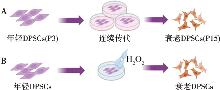
Fig.1
Construction of the DPSCs senescence models"
Tab.1
siRNA sequences for PD-L1 knockdown"
| siRNA名称 | 序列(5'—3') | |
|---|---|---|
| si-PD-L1-1 | F:CGGAGAGCUUCGUGCUAAATT R:UUUAGCACGAAGCUCUCCGTT | |
| si-PD-L1-2 | F:CUGUGUUCUCUGUGGACUATT R:UAGUCCACAGAGAACACAGTT | |
| si-PD-L1-3 | F:CCAGCAACCAGACGGACAATT R:UUGUCCGUCUGGUUGCUGGTT | |
Tab.2
Primer sequences"
| 基因 | 引物序列(5'—3') |
|---|---|
| P16 | F:CCCCGATTGAAAGAACCAGAGAG R:TACGGTAGTGGGGGAAGGCATA |
| P21 | F:AGCGACCTTCCTCATCCACC R:AAGACAACTACTCCCAGCCCCATA |
| P53 | F:AGCTTTGAGGTGCGTGTTTGTG R:TCTCCATCCAGTGGTTTCTTCTTTG |
| PD-L1 | F:ACAGCTGAATTGGTCATCCC R:TGTCAGTGCTACACCAAGGC |
| GAPDH | F:TCTCCTCTGACTTCAACAGCGACA R:CCCTGTTGCTGTAGCCAAATTCGT |
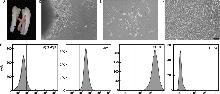
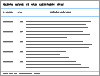
Fig.2
Isolation and culture of DPSCs"
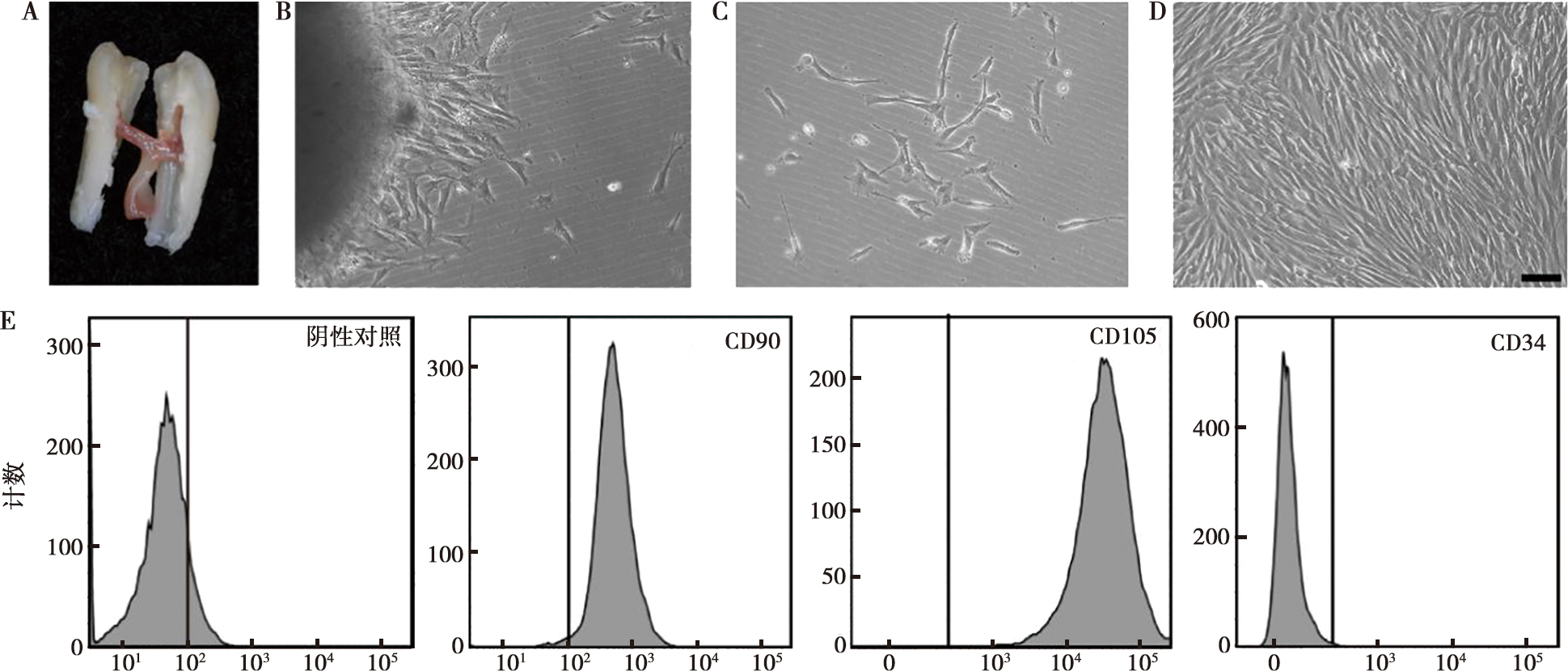
Fig.3
Expression of PD-L1 in the replicative senescence model of DPSCs"
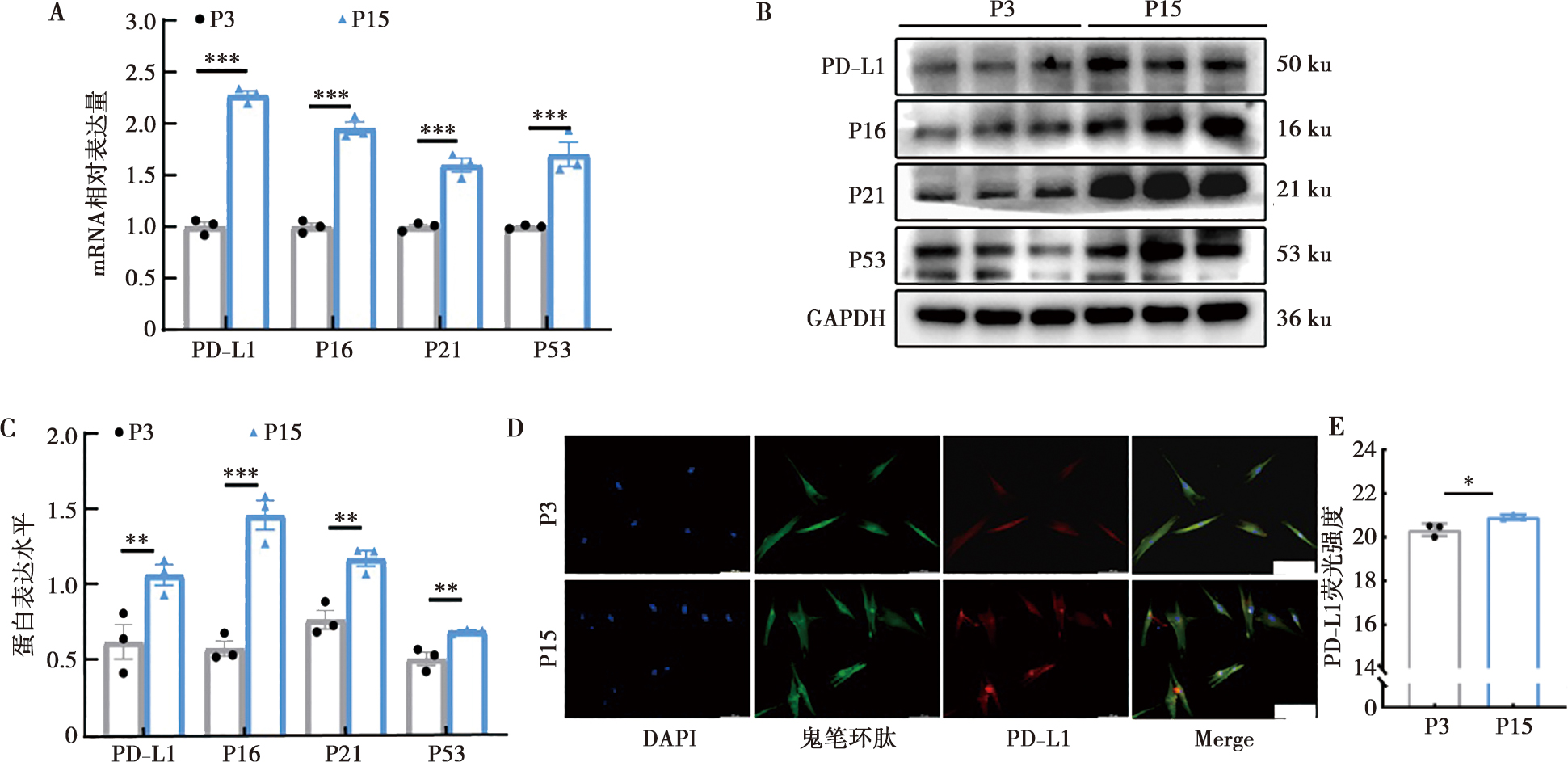
Fig.4
Expression of PD-L1 in DPSCs following H2O2-induced senescence"
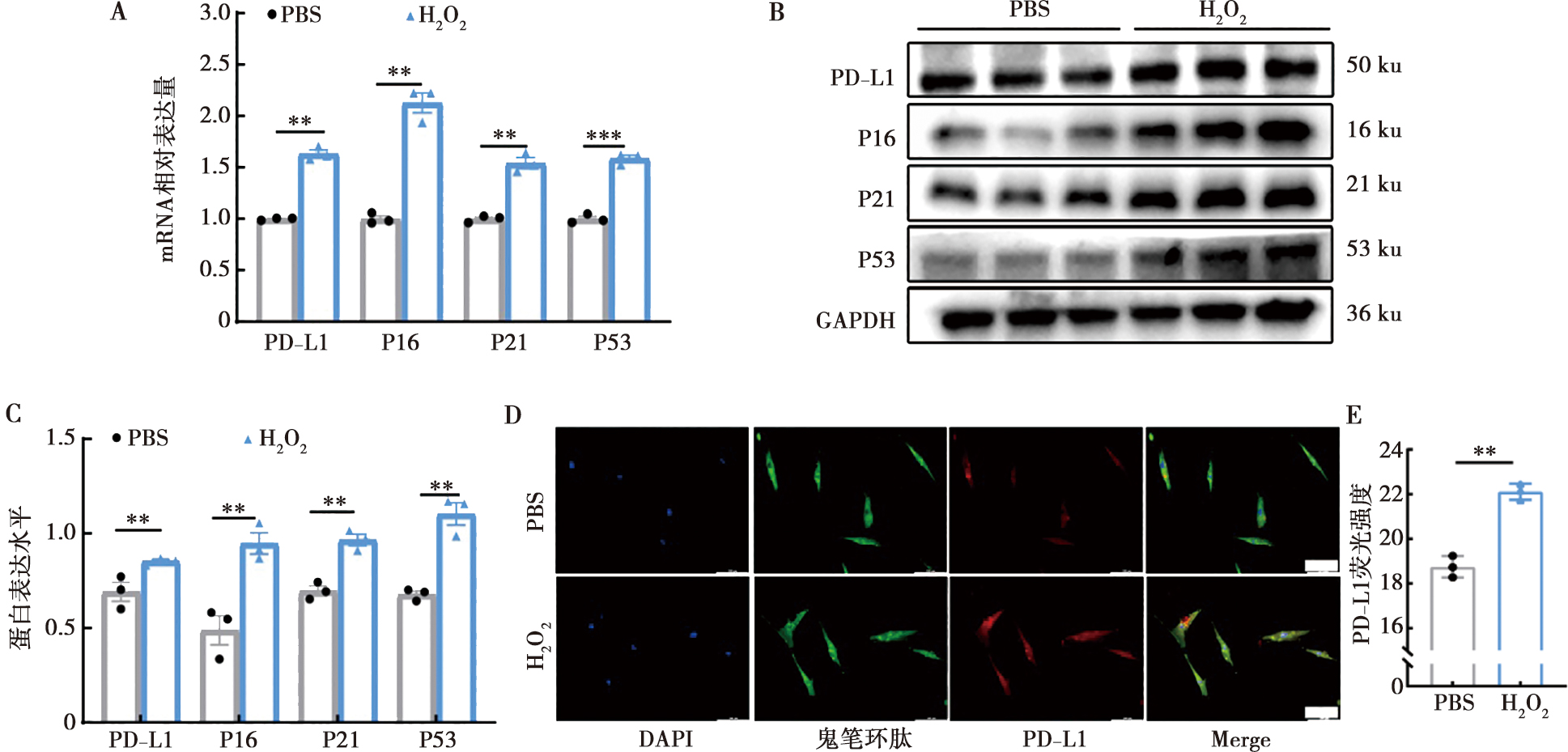
Fig.5
Knockdown efficiency verification of PD-L1 siRNA"
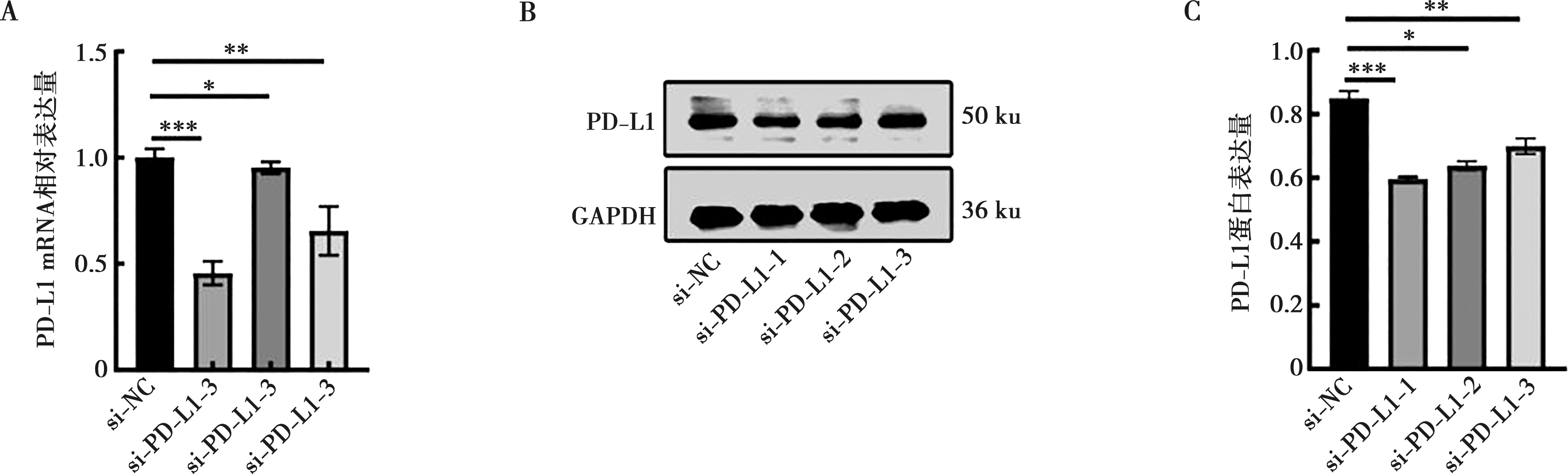
Fig.6
Effect of PD-L1 knockdown on DPSCs senescence"
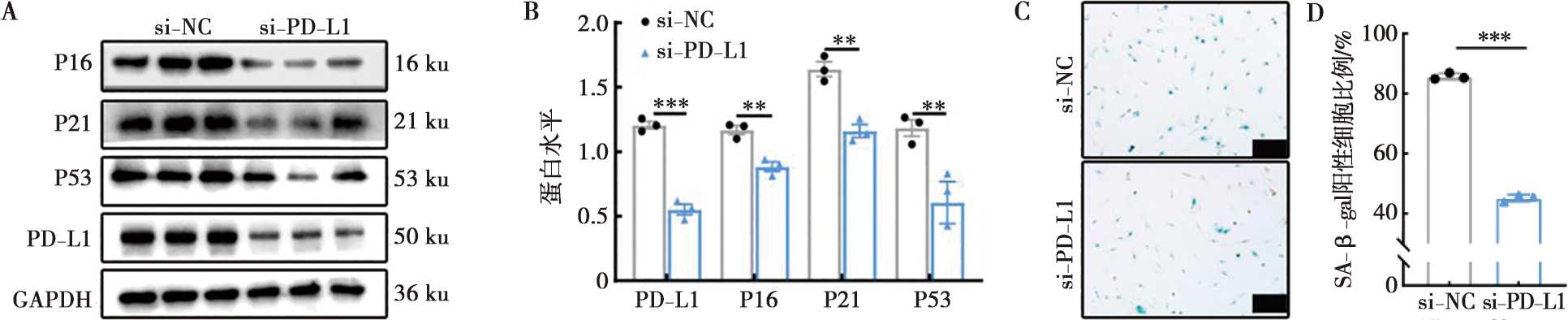
Fig.7
Effect of PD-L1 knockdown on DPSCs differentiation"
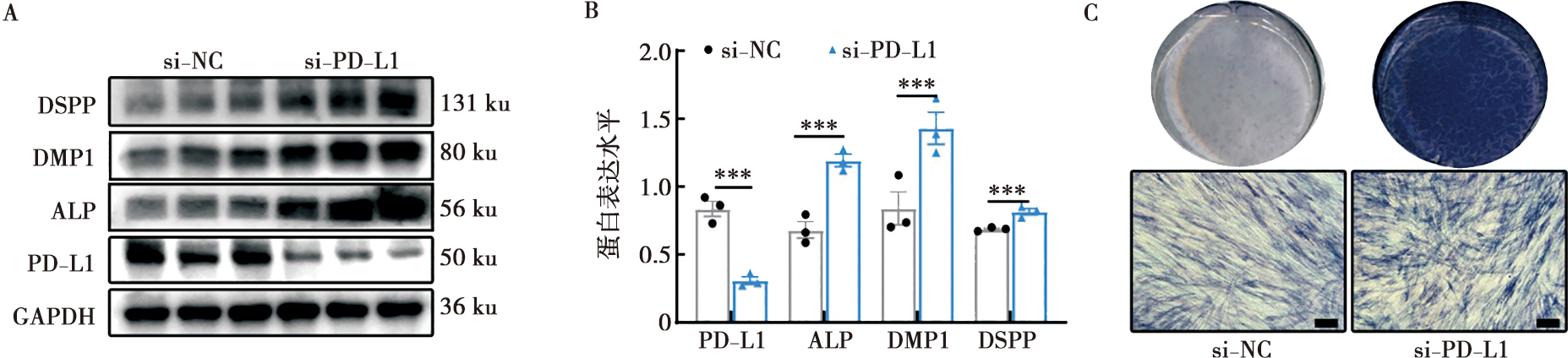
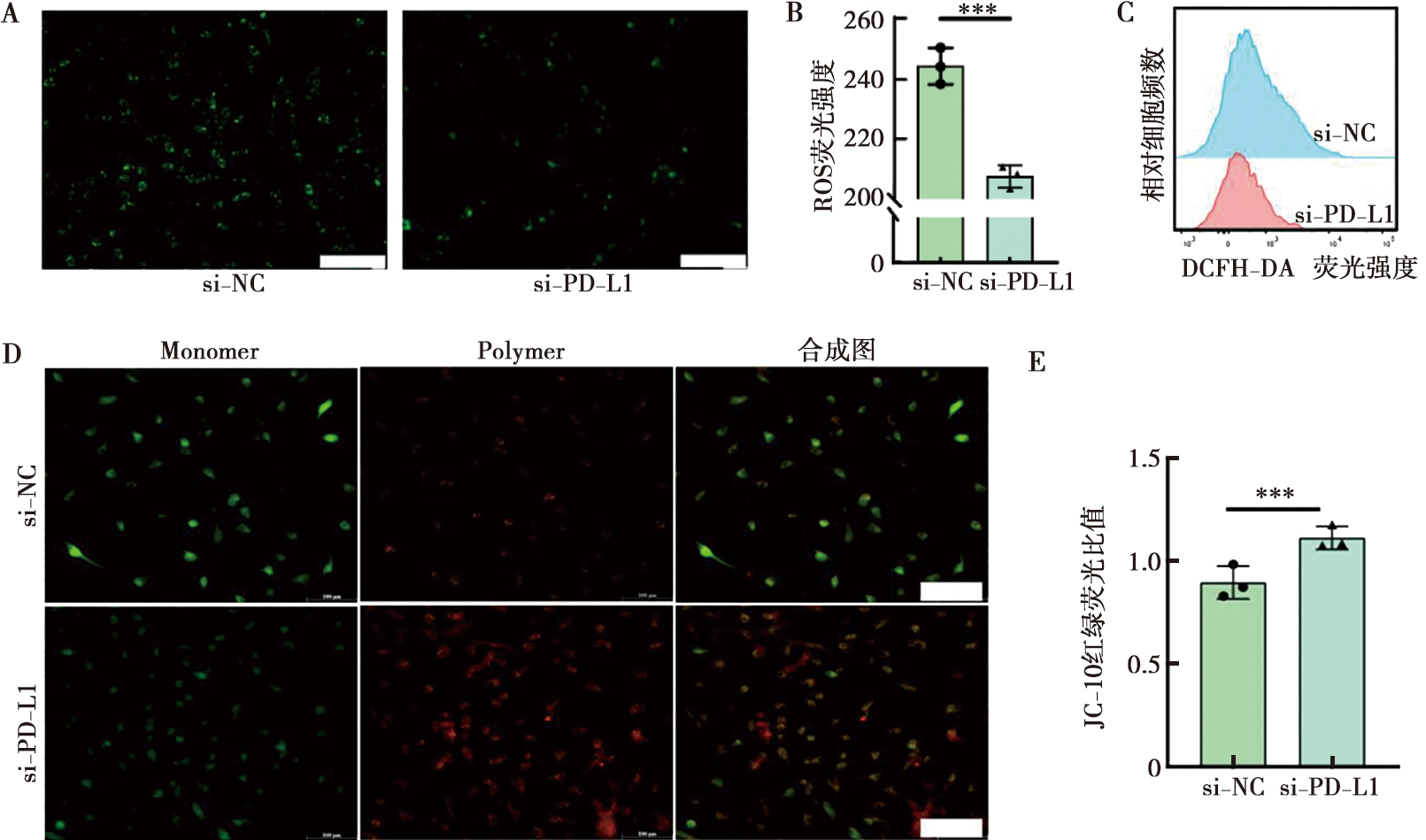
Fig.8
Effect of PD-L1 knockdown on mitochondrial function in DPSCs"
| [1] |
He X, Yang Z, Chu XY, et al. ROR2 downregulation activates the MSX2/NSUN2/p21 regulatory axis and promotes dental pulp stem cell senescence[J]. Stem Cells, 2022, 40(3): 290-302.
doi: 10.1093/stmcls/sxab024 pmid: 35356984 |
| [2] | 安琪, 张巍巍, 何丽娜, 等. 脐静脉内皮细胞对沉默整合素α6的人牙髓干细胞增殖和干性的影响[J]. 口腔医学, 2025, 45(4): 248-253. |
| [3] |
Ding YH, Ran Y. OGA promotes human dental pulp stem cell senescence and inhibits mitophagy by inhibition of O-GlcNAcylation of KLF2[J]. BMC Oral Health, 2025, 25(1): 595.
doi: 10.1186/s12903-025-05927-1 |
| [4] |
Shi X, Mao J, Liu Y. Pulp stem cells derived from human permanent and deciduous teeth: Biological characteristics and therapeutic applications[J]. Stem Cells Transl Med, 2020, 9(4): 445-464.
doi: 10.1002/sctm.19-0398 |
| [5] |
Jeon SM, Lim JS, Park SH, et al. Blockade of PD-L1/PD-1 signaling promotes osteo-/odontogenic differentiation through Ras activation[J]. Int J Oral Sci, 2022, 14(1): 18.
doi: 10.1038/s41368-022-00168-2 |
| [6] |
Li N, Li ZH, Fu L, et al. PD-1 suppresses the osteogenic and odontogenic differentiation of stem cells from dental apical papilla via targeting SHP2/NF-κB axis[J]. Stem Cells, 2022, 40(8): 763-777.
doi: 10.1093/stmcls/sxac037 |
| [7] |
Gao YC, Chi Y, Chen YF, et al. Multi-omics analysis of human mesenchymal stem cells shows cell aging that alters immunomodulatory activity through the downregulation of PD-L1[J]. Nat Commun, 2023, 14(1): 4373.
doi: 10.1038/s41467-023-39958-5 pmid: 37474525 |
| [8] |
Onorati A, Havas AP, Lin B, et al. Upregulation of PD-L1 in senescence and aging[J]. Mol Cell Biol, 2022, 42(10): e0017122.
doi: 10.1128/mcb.00171-22 |
| [9] |
Wang TW, Johmura Y, Suzuki N, et al. Blocking PD-L1-PD-1 improves senescence surveillance and ageing phenotypes[J]. Nature, 2022, 611(7935): 358-364.
doi: 10.1038/s41586-022-05388-4 |
| [10] |
Ye GW, Li JT, Yu WH, et al. ALKBH5 facilitates CYP1B1 mRNA degradation via m6A demethylation to alleviate MSC senescence and osteoarthritis progression[J]. Exp Mol Med, 2023, 55(8): 1743-1756.
doi: 10.1038/s12276-023-01059-0 |
| [11] |
Liu H, Kuang XW, Zhang YC, et al. ADORA1 inhibition promotes tumor immune evasion by regulating the ATF3-PD-L1 axis[J]. Cancer Cell, 2020, 37(3): 324-339.e8.
doi: S1535-6108(20)30095-7 pmid: 32183950 |
| [12] |
Qi ZY, Yang WQ, Xue BB, et al. ROS-mediated lysosomal membrane permeabilization and autophagy inhibition regulate bleomycin-induced cellular senescence[J]. Autophagy, 2024, 20(9): 2000-2016.
doi: 10.1080/15548627.2024.2353548 |
| [13] |
Wan X, Xu PC, Zhou X, et al. Qi-Gu capsule alleviates osteoporosis by inhibiting mesenchymal stem cell senescence via the HIF-1α/AMPK axis[J]. Phytomedicine, 2025, 142: 156764.
doi: 10.1016/j.phymed.2025.156764 |
| [14] |
Chowdhury SG, Ray R, Bhattacharya D, et al. DNA damage induced cellular senescence and it’s PTEN-armed exosomes-The warriors against prostate carcinoma cells[J]. Med Oncol, 2022, 39(3): 34.
doi: 10.1007/s12032-021-01614-7 pmid: 35059876 |
| [15] |
Atasoy-Zeybek A, Hawse GP, Nagelli CV, et al. Transcriptomic changes during the replicative senescence of human articular chondrocytes[J]. Int J Mol Sci, 2024, 25(22):12130.
doi: 10.3390/ijms252212130 |
| [16] |
Zhao HM, Zhang Z, Zhang CJ, et al. Elucidating the role of N-myristoylation in the excessive membrane localization of PD-L1 in hypoxic cancers and developing a novel NMT1 inhibitor for combination with immune checkpoint blockade therapy[J]. J Exp Clin Cancer Res, 2025, 44(1): 181.
doi: 10.1186/s13046-025-03438-z pmid: 40605065 |
| [17] |
Burr ML, Sparbier CE, Chan YC, et al. CMTM6 maintains the expression of PD-L1 and regulates anti-tumour immunity[J]. Nature, 2017, 549(7670): 101-105.
doi: 10.1038/nature23643 |
| [18] |
Han ZY, Zhang C, An JX, et al. Directly evolved nanovaccines modulate disrupted circadian rhythm and enhance cancer immunotherapy[J]. Adv Mater, 2025, 37(34): 2502602.
doi: 10.1002/adma.v37.34 |
| [19] |
Miwa S, Kashyap S, Chini E, et al. Mitochondrial dysfunction in cell senescence and aging[J]. J Clin Invest, 2022, 132(13): e158447.
doi: 10.1172/JCI158447 |
| [20] |
Lin SY, Wu B, Hu XJ, et al. Sirtuin 4 (Sirt4) downregulation contributes to chondrocyte senescence and osteoarthritis via mediating mitochondrial dysfunction[J]. Int J Biol Sci, 2024, 20(4): 1256-1278.
doi: 10.7150/ijbs.85585 |
| [21] |
Yang RL, Huang HM, Han CS, et al. Serine metabolism controls dental pulp stem cell aging by regulating the DNA methylation of p16[J]. J Dent Res, 2021, 100(1): 90-97.
doi: 10.1177/0022034520958374 |
| [22] |
Ma LS, Hu JC, Cao Y, et al. Maintained properties of aged dental pulp stem cells for superior periodontal tissue regeneration[J]. Aging Dis, 2019, 10(4): 793-806.
doi: 10.14336/AD.2018.0729 |
| Viewed | ||||||
|
Full text |
|
|||||
|
Abstract |
|
|||||
